Featured

Celebrating the New Year in Japan

It’s still New Year’s Eve here in Hawaii, but it’s already New Year’s Day in Japan, so…

Happy New Year!!!

Bringing in the new year is definitely the most important holiday & event in Japan, so there are various customs when doing so.
XaeoYc8HQqu7Zdyh7qk0jw_thumb_3539
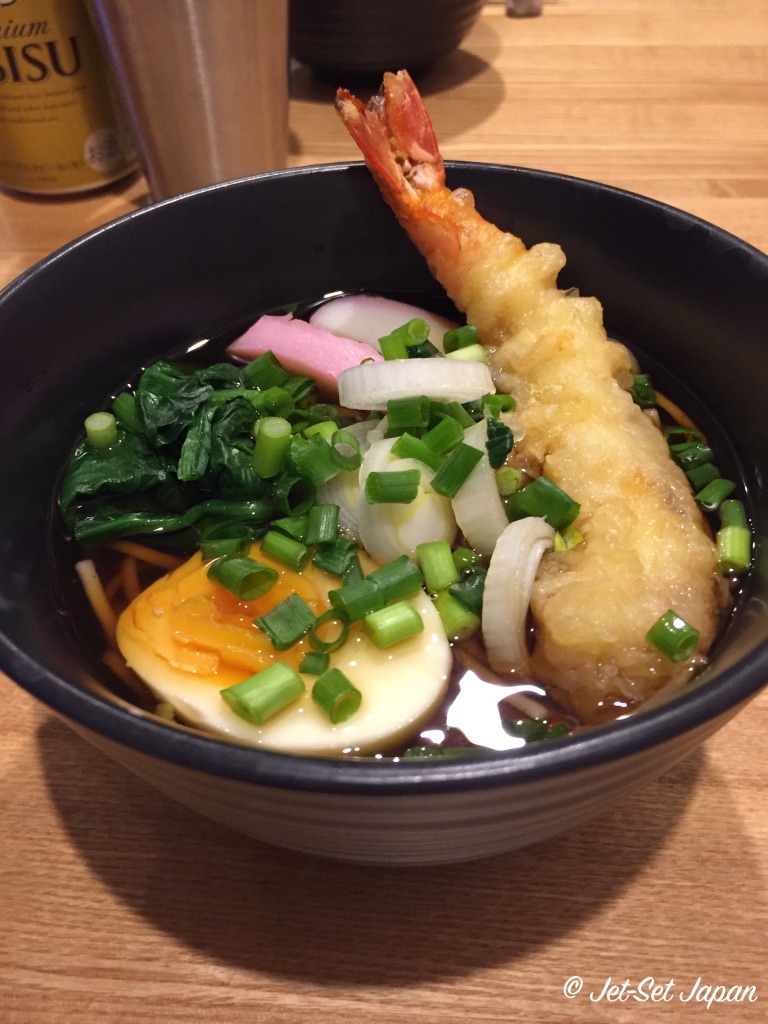
Toshi-koshi soba

For example, toshi-koshi soba (New Year’s Soba) is eaten on New Year’s Eve. Soba is long and thin, and this represents longevity for oneself and one’s family.
UNADJUSTEDNONRAW_thumb_2ccf
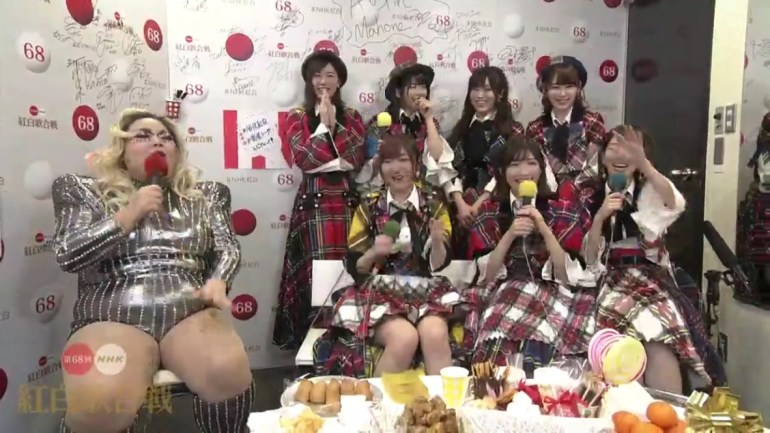
Red & White Song Contest from 2017

This isn’t a traditional custom, but it’s something that many people still do, despite declining viewership over the past few years ー watch the Red & White Song Contest (紅白歌合戦). In Hawaii, this is shown on New Year’s Day, but it’s shown live on New Year’s Eve until a few minutes before midnight in Japan. There’s even an app you can download to receive alerts of when your favorite artist will perform, but of course, you have to be in Japan for alerts.

This slideshow requires JavaScript.

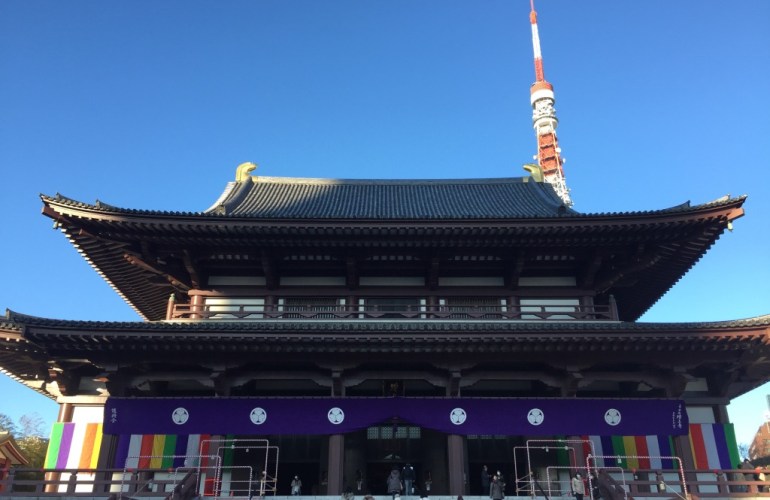
Hatsumoude is the first visit of a shrine or temple of the year. Shrines and temples have vendors selling food and drinks (alcoholic drink also) from well before midnight. When the clock strikes 12, many temples strike the bell (joya no kane) to signal the new year. The photo of Ookunitama Shrine was taken a few days after the New Year, but the photos  taken at Zojoji were taken on the morning of New Year’s Day.

This slideshow requires JavaScript.

Hatsu hi no de is the first sunrise of the year, and crowds of people gather on mountains, along the ocean, tall buildings, or anywhere there is a good view of the sunrise. As the sun starts to peak from the horizon, many people put their hands together in prayer to pray for good health and/or decide their goal for the year.
oIf8n7a%QKOuJ5sI0SoAyw_thumb_3548
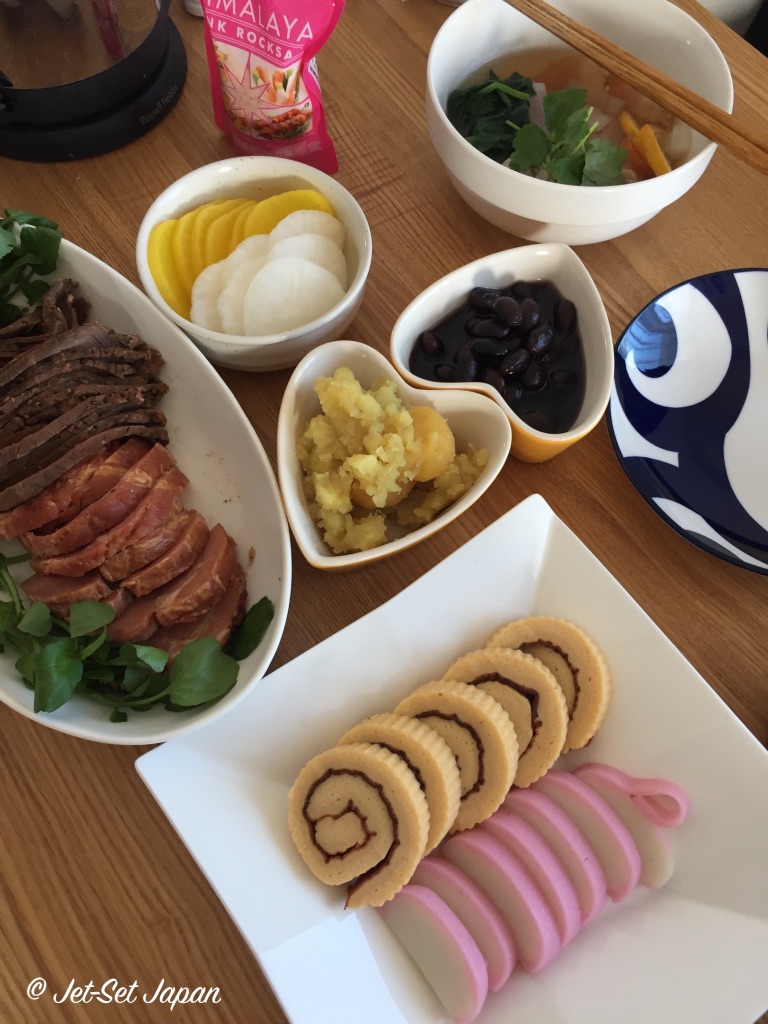
Osechi Ryori (traditional New Year’s Day Meal), Ozouni (New Year’s Day Mochi Soup) on the top, and some other side dishes

Osechi ryori is a traditional New Year’s Day meal where the various dishes and colors have a significant meaning.

Ozouni is a mochi (rice cake) soup that is eaten on New Year’s Day. Depending on the area of Japan, the ingredients, toppings, and taste will be different, but the one thing in common is the mochi. Even if the shape of the mochi used, round or square, is different throughout Japan, mochi is sticky and stretches, so it’s eaten for longevity.

These are just a few customs for New Year’s in Japan, and it’s interesting to see how some of these things have been carried on from one generation to the next here in Hawaii.

From Jet-Set Japan, we wish everybody a Happy New Year!!!
Introduction to Traditional Japan

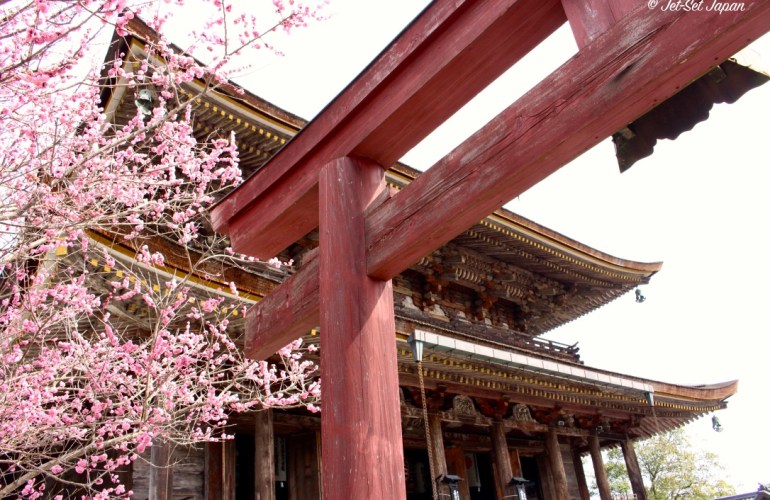
Featured picture is of Kinpusenji Temple in late March with ume (plum) blossoms.

In this post, we will introduce 3 things about traditional Japanese Culture: castles, temples, shrines.

Castles

This slideshow requires JavaScript.

Throughout Japan’s history, there was a long period where the country was feudalistic. Daimyo (feudal lords) ruled not only their land and people, but they also controlled their own armies. These powerful feudal lords built castles to protect their territory. In the pictures above, there are pictures of the castle keep and various areas of the main castle grounds, but in history, the castle referred to the surrounding area (castle town). When visiting a castle, the interior is usually a small museum where you can find historical facts about its history. If you want to see nice views of the surrounding city, you can go all the way to the top of the castle keep. Just be careful of strong winds!

Temples

This slideshow requires JavaScript.

A lot of people confuse temples and shrines, but here is the easiest way to differentiate the two: shrines have torii gates (check pictures below); temples don’t have torii gates. However, there might be a shrine on the temple grounds. In one of the pictures above, you can see a small, orange torii gate on the left of the main hall of Kinpusenji Temple. The other picture is of Zojoji Temple, which is near Tokyo Tower.

Shrines

This slideshow requires JavaScript.

Now that we know structural difference between a shrine and a temple, let’s take a look at the religious difference. Temples = Buddhism; Shrines = ShintoShinto has many gods/deities, and different gods/deities are enshrined at different shrines. The most divine shrine in all of Japan is Ise Grand Shrine. Amaterasu, the God of the Sun, is enshrined there. Another extremely important shrine is Izumo Shrine. This shrine was dedicated to Ookuninonushi (Grand Master of the Land), who is the god of building the land, amongst other things. In this aspect, Shinto is similar to Hawaiian mythology because Hawaiian mythology has many gods who have different powers, authority, and personalities: Amaterasu is like Pele.

When visiting castles, temples, and shrines, visitors should always mind their manners, but it is hard to do so if you don’t know what to do. We’ll write blog posts in the future about manners at certain places.

We’ll also write posts about other topics!

Mahalo for visiting today!