Featured

Ikebukuro Part 2 – Sunshine City

Following our last post which was a brief introduction of Ikebukuro, Part 2 is about Sunshine City.

This slideshow requires JavaScript.

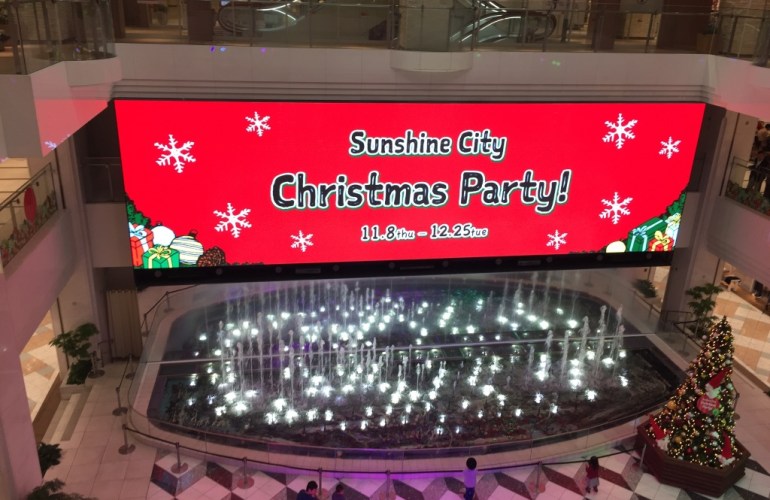
Sunshine City is a huge area that encompasses an entire block of the Ikebukuro area, and it has shops, restaurants, an aquarium, and the Prince Hotel is located in the same block.

If you look at the Sunshine City Guide Map (in English), you’ll notice two shopping areas within Sunshine City: alpa and ALTA.

The alpa Shop Guide is very detailed with a list of recommended shops & restaurants that include descriptions.

The Play & Watch link on the Sunshine City webpage has “Recommended Courses” that show plans depending on your interests.

For example, you can go to the aquarium in the morning, have a quick lunch on one of the lower floors, do some shopping, and then have dinner while looking over the city in the Sky Restaurant Area (Japanese website).

If you’re in Ikebukuro, definitely check out Sunshine City even for just a few hours.

AEON Shopping Mall

Happy Holidays!

Brandon and I have been busy this holiday season, but Brandon and his friends were able to travel to Japan in November for almost two weeks. So, we’re preparing to push out a lot of content over the next few months.

Because it’s the holiday season, our post is about SHOPPING. Japan has tons of department stores and shopping malls where you can easily spend half the day, but let’s take a look at a specific shopping mall ー AEON.

This slideshow requires JavaScript.

The AEON, pronounced ee-ohn, in the photos were taken at AEON Style Shingawa Seaside. Shingawa Seaside Station is on the Rinkai Line and the next station from Tennozu Isle Station, which has direct access to Haneda Airport.

Unfortunately, AEON Style’s homepage is not in English, but here are some details:

Business Hours:
B1 Supermarket: 8:00am-12:00am
B1 Food Court: Restaurants have various business hours
B1 Starbucks: 7:00am-10:00pm

1F, 2F, 3F: Most stores are open from 9:00am-11:00pm, but some stores have different business hours.

Shops:
B1: Supermarket, food court, and other specialty shops.
1F: Women’s fashion, Health & Body Care
2F: Kids’, Baby, Men’s fashion
3F: Interior Decor & Furniture, Electronics

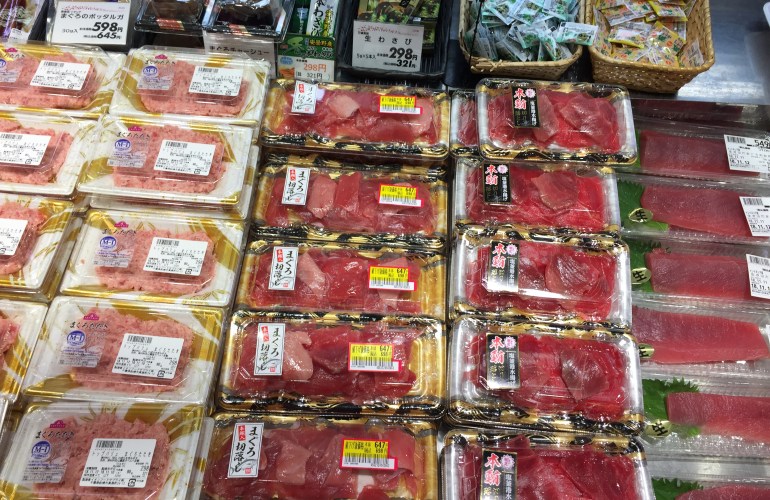
Most importantly, and undoubtedly our favorite area, the supermarket!

This slideshow requires JavaScript.

This slideshow requires JavaScript.

This slideshow requires JavaScript.

This slideshow requires JavaScript.

Here’s a tip for those late nights when you want a snack before bed: supermarkets start putting discount stickers on food after about 7:00 or 8:00pm, so swing by to get a good deal, but if you go too late, the only option you have might be kimchee cucumbers or potato salad.

Keep an eye out for more updates!

(Sapporo Trip – Part 5) COSTCO

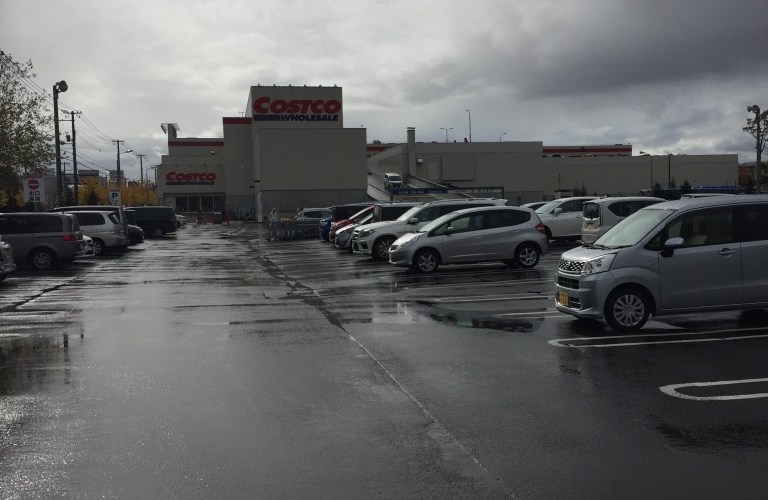
The last part of Brandon’s Sapporo trip is about COSTCO.

Brandon took the limousine bus from the 1st Floor of the domestic arrivals area in the New Chitose Airport. It takes about 35 minutes and cost 930 Yen one way, and you have to get off at Sanrizuka Shogakko. It’s on the left side of the road, which is the same side you will be traveling on, and is visible from the bus.

If you are traveling there from Sapporo City, check out Sapporo COSTCO’s webpage for detailed directions.

For those who might not know, to shop at COSTCO, you have to possess membership.

This slideshow requires JavaScript.

If you have shopped at COSTCO before, there are a lot of products you have seen before, but you can find Japanese food, drinks, and alcohol. The sushi and sashimi platters are reasonably priced, and there’s usually something to taste, which is sometimes grilled fish or nigiri maguro sushi.

Another good thing about COSTCO in Sapporo is customers will neatly park their carts when they are in the food court.

If you want to see what a COSTCO in Japan is like or if you want to picnic or barbecue during your visit, COSTCO is a good place to check out.

Shopping in Japan

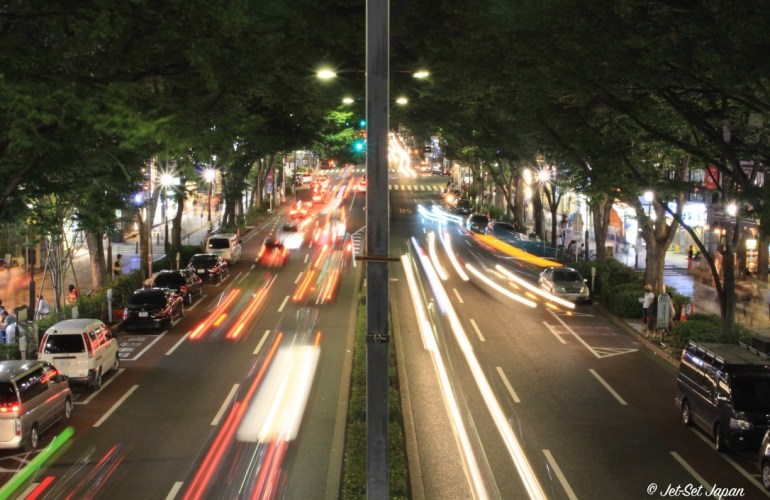
Feature Image: The keyaki namiki (zelkova tree-lined street) which runs from Harajuku to Omotesando.

This slideshow requires JavaScript.

Every major city in Japan will have at least one major shopping district. In Tokyo, there’s Shinjuku, Shibuya, Roppongi, and Ginza to name just a few places. In Osaka, there’s Umeda, Dotonbori, Namba. In this post, we will introduce a few areas and stores to shop at.

Department Stores

Marui, Takashimaya, Mitsukoshi-Isetan are just a few department store groups which are nationwide. A variety of high-end stores can be found within department stores. Other reasonable stores, such as UNIQLO and MUJI, can also be found in department stores. The good thing about department stores is that everything is inside, so if it’s hot, cold, or raining, you don’t have to worry about the weather outside; also, there are usually a lot of restaurants on the top floors, so you can take a break from shopping a get some food or coffee.

Electronics

Japan has a reputation for their high-quality electronics: Sony, Panasonic, Nikon, Canon, Nintendo, and many more. If you’re a gamer, into anime or manga, Japanese idols, or looking for any kind of electronics, Akihabara is the place to go. Even if you aren’t looking to buy electronics, it’s cool to go and just walk around Akihabara for a few hours.

Bargain/Reasonable Shopping

Daiso is the place to go to buy all kinds of things for 100 Yen. Some Daiso stores have multiple floors or are huge, so be careful not to rack up a big bill at checkout!

Seria is another place to go to for a bargain on “miscellaneous goods” (zakka in Japanese). Miscellaneous goods would be clocks, pen holders, and other things you would put around your house.

If you need to get clothes because you forgot something or didn’t prepare for the weather, head over to UNIQLO where there prices are reasonable. If you’re more into H&M, there are H&M stores all over Japan.

Snacks


Japan has a lot of great snacks! Make sure you bring a extra suitcase just for snacks also!!!

Shopping

Featured

Why Japan Is THE Travel Destination from Hawaii


1. Reasonable Overall Cost

The first thing you would have to do is buy your ticket to Japan. It goes without saying that ticket prices vary depending on which season you want to visit Japan. For example, if you want to enjoy the sakura or autumn foliage, these are the most expensive seasons to visit Japan, so you will have to pay a premium. In recent years, the average price for tickets to Japan for one person is about $1000 roundtrip.

The next thing you need to take into consideration is the currency exchange rate. Luckily, the Japanese Yen has been weaker than the U.S. dollar. If you have already planned a trip to Japan and haven’t exchanged dollars to yen, keep an eye out on the exchange rate!

Topics related to cost of transportation, food and drink, and shopping will be briefly explained below.

2. Best Public Transportation System in the World

Can you believe that train companies apologize for being 1 minute late?! That is how punctual the train system is in Japan. Not to mention busses connect areas which do not have trains, and these busses run close to their scheduled times even in traffic.

For locals in Japan, costs on public transportation is a little expensive compared to other countries in Asia, but as a visitor to Japan, you can purchase a JR Rail Pass which gives you access to almost all Shinkansen (Bullet Trains) and all local JR Lines. Using the JR Rail Pass and other available rail passes will be explained in detail in a future blog post.

3. Awesome Food and Drink

In Hawaii, our food portions are ridiculously big compared to the portions in Japan, BUT the quality of the food Japan is hard to beat. Also, you can eat quality food at a reasonable price if you look in the right places.

Fruits, vegetables, fish, meat, desserts, Japan has it all for you foodies! If you like to drink wine, whiskey, beer, Japanese sake, Japan has great choices for alcoholic beverages.

4. Fusion of Traditional Culture and Modern Culture

From temples, shrines, and castles to skyscrapers and crazy fashion trends, Japan is a mixture of traditional culture and modern culture.

5. Shopping

For those who like high-end brands, there are areas in Japan, such as Ginza in Tokyo, which have streets lined with these stores. If you are on a tight budget but want to get a bunch of omiyage for your family, friends, and colleagues, you can head over to Daiso to buy things priced at only 100 yen!

6. Nature

Japan is surrounded by the ocean, just like Hawaii, and mountains cover about 70% of the land; so, depending on the season you visit Japan, you can have different experiences outdoors.

In future blog posts, we will explain in detail various aspects of traveling in Japan. Stay tuned for more pictures and blog posts in the future! We’re still developing our content, but also check out our FacebookTwitter, and Instagram.

Mahalo!!!