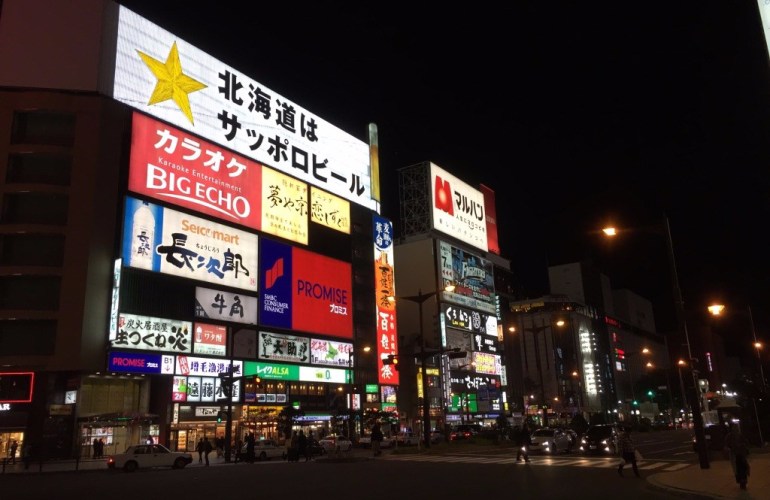
(Sapporo Trip – Part 1) Susukino – Shopping, Eating, Drinking


This slideshow requires JavaScript.

Brandon went on a trip to Seoul and Sapporo, so here are some pictures and info from his adventure!

This post will focus on the Susukino Area. Susukino is considered to be one of the major entertainment districts in Japan.

The Susukino Area can be accessed by taking the Namboku Line (heading towards Makomanai) from Sapporo Station and getting off at Susukino Station, which is two stops from Sapporo Station.

Shopping:

When visiting Sapporo, Susukino is an area you must visit. For those who enjoy window shopping, there’s a shopping arcade/street (shōtengai, 商店街) called Tanukikoji Shopping Arcade/Street. Tanukikoji is located just north of Susukino Station. In modern Japanese society where numerous shōtengai are steadily becoming empty “ghost-streets”, a stroll through Tanukikoji is experiencing a fusion of traditional and modern Japanese culture.

Eating:

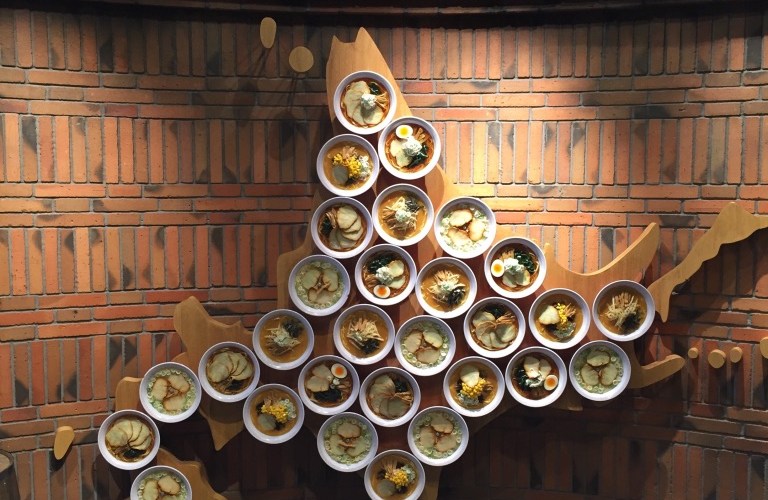
For ramen lovers, Sapporo is heaven. Many visitors check out the Ramen Yokochō (Ramen Alley) in Susukino for their first bowl of ramen, but if you are more adventurous, skip Ramen Yokochō and explore less-traveled side-streets to find your bowl of steaming perfection.

Other than ramen, there are many types of food to make your waistline bulge: jingisukan (“Genghis Khan”: grilled mutton), seafood, and more.

For more photos of food, check out this post we wrote about Sapporo and Otaru.

Drinking:

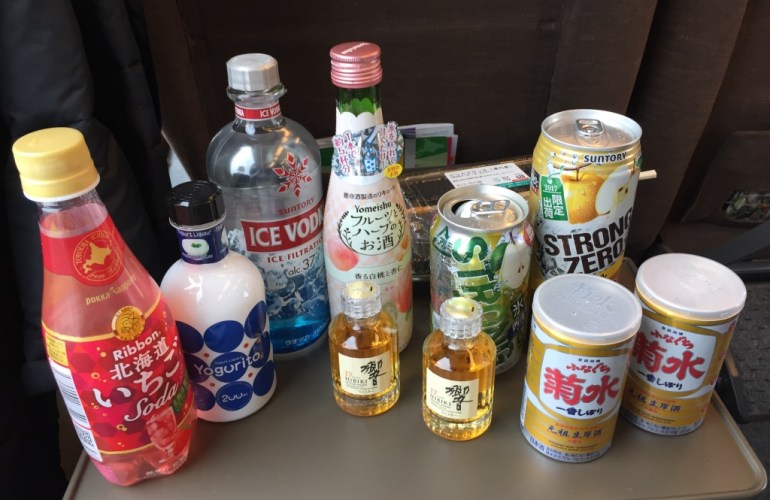
For those who love their alcohol, Susukino has a lot of places to satisfy your thirst while eating delicious food. Just be careful of drinking too much at a nomihōdai (all-you-can-drink)!

When eating/drinking while traveling Japan, if you want to try many types of food and restaurants, we recommend not eating or drinking too much at one place. However, if you are paying a good amount of money at a certain establishment, get your money’s worth!

Keep an eye out for future posts about more food (of course) and other places to check out while visiting Sapporo!

Part 2  – Japanese Fast Food
Part 3 – Jingisukan (Grilled mutton)
Part 4 – Mt. Moiwa
Part 5 – COSTCO
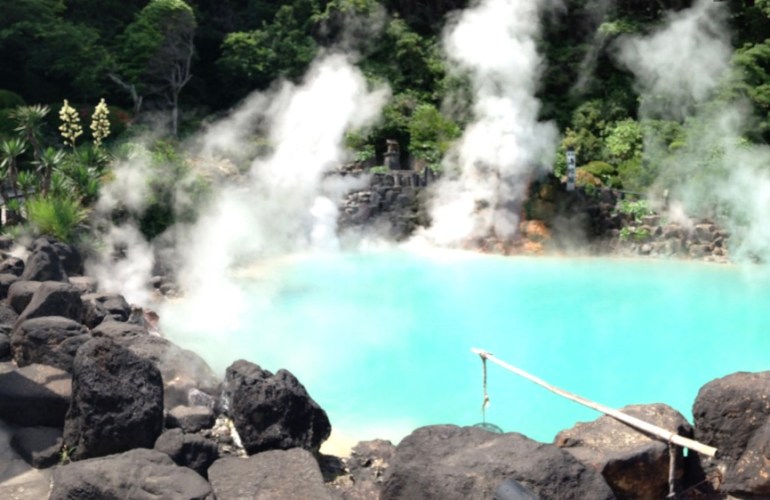
Fukuoka & Beppu ー Great Food, Relaxing Onsen

Today, we’re going to introduce Fukuoka and Beppu, which are both on the island of Kyushu.

Fukuoka

This slideshow requires JavaScript.

Getting there:

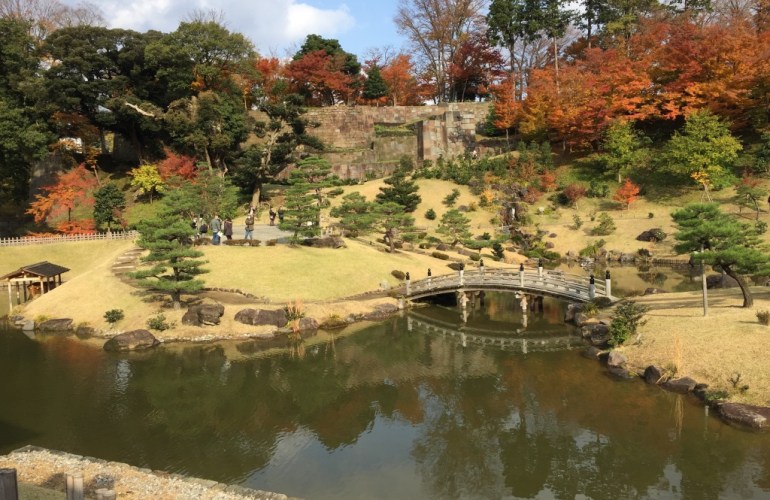
Fukuoka is a prefecture in Kyushu, and Fukuoka City is the largest city in Kyushu and has a good mixture of both traditional and modern culture.

To travel from Hawaii to Fukuoka, Hawaiian Airlines cancelled their non-stop flight from Honolulu to Fukuoka, so we recommend flying into Kansai International Airport (Osaka), and then taking a shinkansen from Shin-Osaka to Hakata Station, which is about a 3-hour train ride. If you are landing in Tokyo and then going to Fukuoka or plan to go to Tokyo from Fukuoka, taking a shinkansen will take about 6 hours from Shinagawa Station and Tokyo Station. Flights from Haneda to Fukuoka take a little less than 2 hours. If you want to fully utilize your JR Pass to save money, taking a shinkansen is the way to go. Also, because of travel time, combining Fukuoka and Osaka into the same trip will maximize your travel experience.

Important Note: The main station in Fukuoka is NOT Fukuoka Station; the main station is Hakata Station.

Ramen

Hakata Ramen is the local-style of ramen in Fukuoka. The soup broth is made from pork bones which gives it a brown-yellow coloration. The broth is rich and will cling on to noodles well.

When ordering Hakata Ramen, you can choose the firmness of your noodles. Generally, there’s 5 levels: extra soft, soft, regular, firm, extra firm. Extra soft noodles will break easily, so we don’t recommend getting extra soft noodles. Soft noodles don’t break as easily, blend with the broth, and will kind of dissolve in your mouth. Regular noddles are good for those who haven’t eaten too much authentic ramen before. So, start at regular, and then test out other types of noodles to find your zone. Firm noodles tend not to blend  too much with the broth, but you can enjoy both the flavor of the broth and the flavor of the noodles. Extra firm noodles are for those who know how to slurp up noodles and like to taste the rich broth “crisply”.

If you are a foodie, you have to check out the yatai (street vendors) of Hakata!

Our personal to-do list:

Places we haven’t been to but want to go to include: Futamigaura and Kawachi Wisteria Garden. Also, because Fukuoka is located on the Sea of Japan side of Kyushu, sunsets are amazing along the coastline.

Beppu

This slideshow requires JavaScript.

Beppu is located in Oita Prefecture and is one of the best areas for onsen (hot springs). Each onsen has different medicinal benefits from nicer skin to a recuperating from fatigue. Not to mention, each ryokan (Japanese-style inn) will include a Japanese-style meal.

Beppu stretches from the sea to the mountains, like an ahupua’a here in Hawaii, so there are a lot of different kinds of delicious food to eat: from different types of meat dishes to seafood.

If you’re traveling to the Kansai Area and have more than 7 days, checking out Fukuoka for a few days and Beppu for a night can fit into your schedule. If you just want to travel around Kyushu, at least a week (preferably 10 days) would be needed to visit all of the prefectures there: Fukuoka, Oita, Miyazaki, Kumamoto, Kagoshima, Shiga, Nagasaki.

Sapporo & Otaru ー Gems of Northern Japan

If you’ve already been to Tokyo, Osaka, Kyoto, or other areas of Japan, or if you just love delicious food and nature, make Sapporo and Otaru next on your list of places to visit in Japan!

Sapporo is the largest city on Hokkaido, which is the northern island of Japan, and Otaru is located about 40 minutes away by train from Sapporo.

When people in Japan think of Hokkaido, the first things that come into mind are great food and beautiful nature. So, in this post, we’re going to briefly introduce some of the food and nature in Sapporo and Otaru.

Grindz (Food!)

This slideshow requires JavaScript.

Hokkaido is kind of like the Big Island (of Hawaii) of Japan. It’s the largest island in Japan, and it’s known for fishing and large ranches/farms. Because of this, Sapporo is the place to get some of the best fish and meat (also dairy products) in all of Japan! From, fresh seafood, ramen, to desserts, Sapporo has it all. If you’re looking for ono (delicious) seafood, head over to Otaru! Otaru is a 40 minute train ride Sapporo, and you can enjoy looking at the ocean while leisurely making your way to Otaru.

Otaru
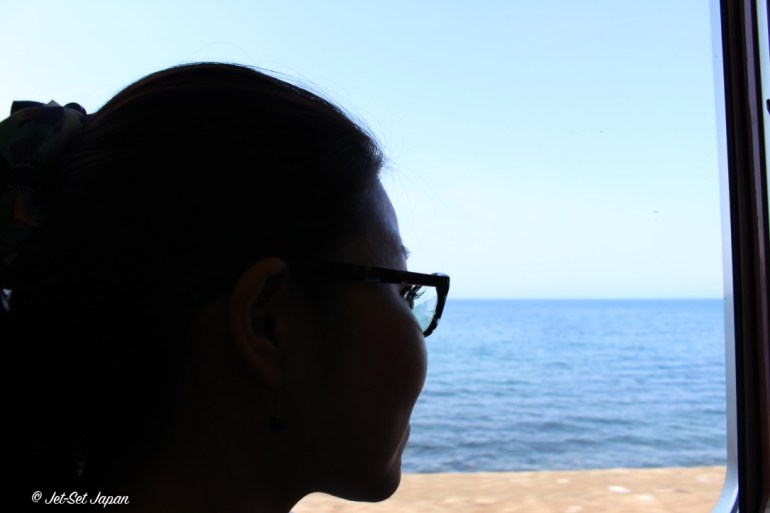
Yuki (Chad’s wife) looking out at the ocean while going to Otaru from Sapporo

Nature

This slideshow requires JavaScript.

Sapporo has flowers, greenery, autumn leaves, and snow, so you can go there any time of year and enjoy nature. The Sapporo Snow Festival is held in early- February in and around Odori Park, and the Sapporo Lilac Festival is held in mid/late-May also in Odori Park. If you want to travel during winter from Hawaii, you need to get winter clothes because it is COLD. If you are unlucky or lucky, depending how you look at it, you can experience a Hokkaido winter in a blizzard. Blizzards are windy, snowy, and cold, but it makes the ramen taste that much better!

Travel Plan Recommendations

  • If you are only going to stay in Sapporo and maybe check out Hakodate, which is about 3 and a half hours away from Sapporo by train, 5-7 days will work. This is if you want to have a relaxing trip.
  • If you are active and want to go to Sapporo and travel to different areas of Hokkaido, at least 7 days would be necessary because Hokkaido is a lot larger than you think (about 32,000 square miles, which is about 8 times larger than the Big Island of Hawaii).
  • If you want to fly into New Chitose Airport, which is about 40 minutes from Sapporo, spend some time in Sapporo before going to another part of Japan, you would need at least 7 days of traveling to fully enjoy your trip. If you do this, there are many options on how to plan your trip depending on where you want to go after Sapporo. If you want to finish your trip off in Tokyo, you could go from Sapporo directly to Tokyo by airplane; another option is to stop off at Sendai by shinkansen to stay a night or two, and then go to Tokyo. If you want to go to Sapporo and then Osaka, you would need to take a flight from New Chitose to Osaka (Kansai Airport or Itami Airport).

All in all, Sapporo and Otaru are great places to visit to each food and go out into nature!

Autumn/Fall ー A Great Season to Travel Japan

This time of year is a good period to start planning for a trip to Japan during Autumn/Fall. What’s good about Japan during the Fall season? We’ll talk about two things which make Fall a great season to go to Japan: 1. Fall leaves, 2. Food, 3. Climate

1. Fall Leaves/Foliage

This slideshow requires JavaScript.

When the leaves start changing colors to bright yellow, red, and orange, it’s also a really comfortable time to visit Japan. The humid summer heat is gone, but the cold of winter has yet to set in.

The best time frames to check out fall leaves are:

  • Hokkaido: Because Hokkaido is large, in northern areas of Hokkaido, leaves will be changing color in late-September, and in southern areas of Hokkaido, leaves will be changing color in mid-October.
  • Tohoku (Aomori, Akita, Iwate, Yamagata, Miyagi, Fukushima): Early-October (from Aomori) to late-November (in Fukushima).
  • Kanto (Ibaraki, Tochigi, Gunma, Saitama, Chiba, Tokyo, Kanagawa): Late-September (from the mountains of Gunma) to early-December (in Kanagawa)
  • Chubu (Niigata, Toyama, Ishikawa, Fukui, Yamanashi, Nagano, Gifu, Shizuoka, Aichi): Late-September (from Kurobe Dam area in Toyama) to early-December (in Aichi)
  • Kansai/Kinki (Shiga, Mie, Kyoto, Nara, Osaka, Wakayama, Hyogo): Early-October (from Shiga) to early-December (in Hyogo)
  • Chugoku (Tottori, Okayama, Shimane, Hiroshima, Yamaguchi): Late-October (from Tottori) to early-December (in Yamaguchi)
  • Shikoku (Kagawa, Tokushima, Ehime, Kochi): Late-October (from the mountains in Tokushima) to early-December (Ehime)
  • Kyushu (Fukuoka, Oita, Miyazaki, Saga, Kumamoto, Nagasaki, Kagoshima): Late-October (from the mountains in Fukuoka) to early-December (in Kagoshima)
  • Okinawa: Leaves change colors on certain trees, but because of the climate, it is different from the rest of Japan.

Because about 70% of Japan is mountains, certain areas in a prefecture will start turning colors compared to areas in lower elevations.

2. Food

Many people say that a lot of the best foods are available during Fall because farmers harvest them before Winter comes. Here’s a short list of what is in season during Fall:

  • Rice
  • Sanma (Pacific saury; we don’t know what this is in English, but we know sanma)
  • Unagi (freshwater eel)
  • Salmon
  • Eggplant
  • Mastsutake Mushrooms
  • Yaki-imo (Sweet potato)
  • Chestnuts

3. Climate

During Fall, coming from Hawaii, we recommend:

  • During the day: long pants, t-shirt, jacket/sweater
  • At night: long pants, long-sleeve shirt, jacket/sweater

If you go around late-November to early-December, you should where a long-sleeve shirt during the day also. If you are sensitive to cold, you can always go to UNIQLO and buy some cheap clothes to keep you warm.

With all of the walking, sightseeing, shopping, eating you will do while traveling in Japan, Fall provides cool, dry weather to enjoy Japan to your heart’s content!

Kanpai!!! Drinking Culture in Japan

It’s Chad again!

Kanpai is usually translated as “cheers” or “bottoms up” but literally means “dry glass”. Every culture has its own drinking culture, so in this post, we are going introduce a few aspects of the drinking culture in Japan.

Pau Hana Drinks

Japanese society is not only infamous for its work-work-work culture, but also its drink-a-ton-of-alcohol-after-work culture. When I was working in Tokyo, I used to work 12-hour days, drink until the early morning hours, take a short nap, and then do it all over again. The picture on the left is of a drinking area (street) called Omoide-yokocho (思い出横丁, Memory Lane), and I used to come here for my second or third round of drinks with colleagues. There are yokochos all over Japan, and these streets are full of bars and restaurants to drink at. The picture on the right is of a standing wine bar, which serves beer, cocktails, and pupus. Standing bars are good when you want to have a few drinks before going to your next place.

Beer Tasting & Pupus

Japanese people love their beer! You can go to beer museums for short tours and beer tasting after the tours, like Brandon did (picture on the left). The merit of going to a beer museum is that you can try beers which aren’t sold in stores, and the price to sample is reasonable! However, unlike the Sapporo Beer Museum (picture on the left) where you can get three beers at once, other beer museums require you to finish one drink before you order your next one.

The picture on the right is of pan-fried gyoza with beer (of course!). Japanese food/drinking culture is similar to Hawaii because people in Japan like to pupu while having a cold beer, or whatever drink they like. This picture was taken by Brandon at a festival in Sapporo. For those who don’t know, festivals in Japan have many vendors which sell drinks and food. The best thing to do at festivals when you want food or a drink is to take a quick lap around the area, and then decide where to buy your food (not all at once though!).

Drinking in Public


Drinking in public is not illegal, unless certain areas (usually parks) have signs which prohibit drinking alcohol or you are belligerent and making trouble. During the summer, people like to drink at the beach (picture on the left), and during spring, people love drinking under the sakura (picture on the right).