Parks, Rivers/Ocean, & Mountains ー Nature in Japan

Featured Image: Na no Hana (Rape Blossoms) in Hararikyu Gardens.

Because Japan is an island nation, it’s possible for visitors to check out parks in the city, head to the mountains, and relax riverside or beachside in one trip. In this post, we will show pictures of parks, bodies of water, and mountains from all over Japan.

Parks

This slideshow requires JavaScript.

Japan has immaculate Japanese gardens and parks. Depending on the time of year you visit, it’s possible to see various types of flowers and other plants, except during winter when everything is in hibernation mode.

Rivers/Ocean

This slideshow requires JavaScript.

Because the majority of Japan’s land is mountainous, there are a lot of rivers throughout the country. A lot of these rivers provide for great views during sunset and even a place for people to picnic. Regarding beaches, coming from Hawaii, most of us are spoiled with beautiful beaches (except maybe Hilo, where we’re from), but the sunrises and sunsets along the coastlines of Japan are absolutely picturesque.

Mountains

This slideshow requires JavaScript.

In the mountain areas of Japan, visitors can find shrines, temples, onsen (hot springs). For those who are adventurous , there are shrines where you can go hiking into the mountains to another shrine which is located deeper in the mountains. And some shrines will let you stay there if you make reservations.

This post is just an introduction to the great nature spots in Japan. Look out for future posts about nature in Japan!
Introduction to Traditional Japan

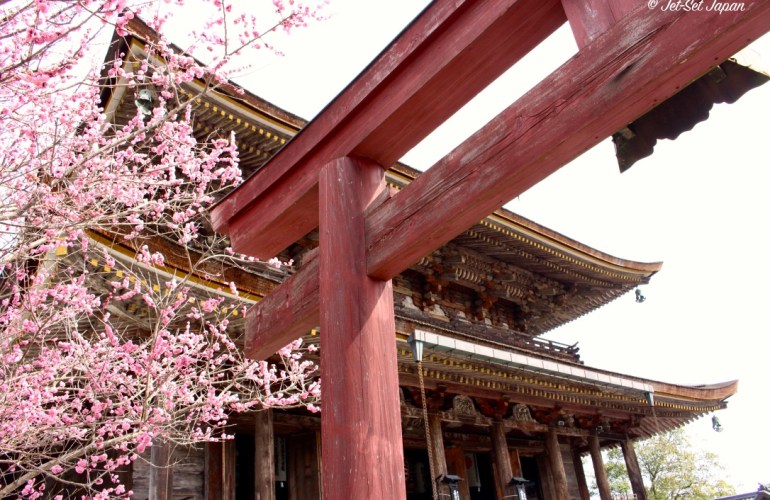
Featured picture is of Kinpusenji Temple in late March with ume (plum) blossoms.

In this post, we will introduce 3 things about traditional Japanese Culture: castles, temples, shrines.

Castles

This slideshow requires JavaScript.

Throughout Japan’s history, there was a long period where the country was feudalistic. Daimyo (feudal lords) ruled not only their land and people, but they also controlled their own armies. These powerful feudal lords built castles to protect their territory. In the pictures above, there are pictures of the castle keep and various areas of the main castle grounds, but in history, the castle referred to the surrounding area (castle town). When visiting a castle, the interior is usually a small museum where you can find historical facts about its history. If you want to see nice views of the surrounding city, you can go all the way to the top of the castle keep. Just be careful of strong winds!

Temples

This slideshow requires JavaScript.

A lot of people confuse temples and shrines, but here is the easiest way to differentiate the two: shrines have torii gates (check pictures below); temples don’t have torii gates. However, there might be a shrine on the temple grounds. In one of the pictures above, you can see a small, orange torii gate on the left of the main hall of Kinpusenji Temple. The other picture is of Zojoji Temple, which is near Tokyo Tower.

Shrines

This slideshow requires JavaScript.

Now that we know structural difference between a shrine and a temple, let’s take a look at the religious difference. Temples = Buddhism; Shrines = ShintoShinto has many gods/deities, and different gods/deities are enshrined at different shrines. The most divine shrine in all of Japan is Ise Grand Shrine. Amaterasu, the God of the Sun, is enshrined there. Another extremely important shrine is Izumo Shrine. This shrine was dedicated to Ookuninonushi (Grand Master of the Land), who is the god of building the land, amongst other things. In this aspect, Shinto is similar to Hawaiian mythology because Hawaiian mythology has many gods who have different powers, authority, and personalities: Amaterasu is like Pele.

When visiting castles, temples, and shrines, visitors should always mind their manners, but it is hard to do so if you don’t know what to do. We’ll write blog posts in the future about manners at certain places.

We’ll also write posts about other topics!

Mahalo for visiting today!

Introduction to Modern Japan

Happy Aloha Friday!!!

When people go on tours or it’s their first trip to Japan, many visitors tend to go to temples, shrines, castles, and other points of interest related to traditional Japanese culture. This is not a bad thing; we think that visiting traditional places will give visitors a deeper understanding of Japan. However, Japanese culture has so much more to offer. So, instead of writing about traditional Japan, which will be covered in a future post, we’re going to introduce a little bit about modern Japan: art and architecture for this post.

Modern Architecture

This slideshow requires JavaScript.

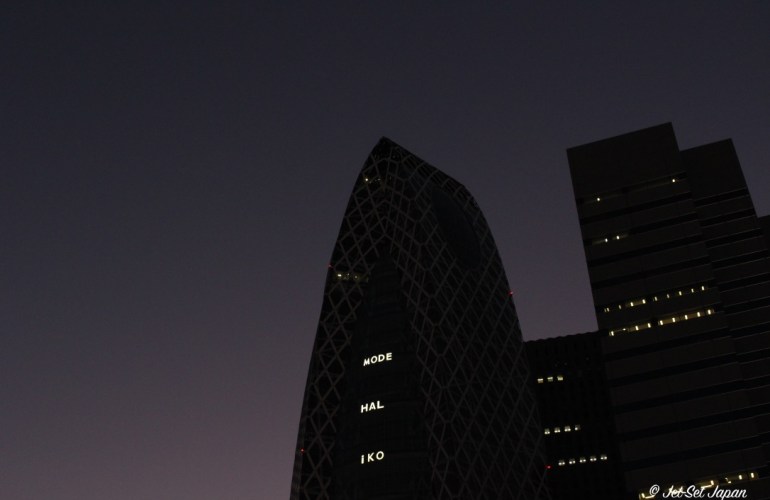
A lot of the buildings and structures in Japan can be appreciated as art. Major train stations, such as Tokyo Station, Kyoto Station, Kanazawa Station (in the slideshow above), and many more, are not just transportation hubs. If you are not in a rush and have time to take a walk outside or even look around inside, you’ll discover aesthetic beauty.

Art

Every year in Roppongi, an all-night art festival, called Roppongi Art Night, is held. People can walk around and check out exhibitions and performances for free. There are also many vendors selling food and drinks (including alcohol), so you can party all night! This year’s Roppongi Art Night was held on May 26-27.

Many parks around Japan have little towers and other structures that look pretty cool. The picture on the right was taken in Shiokaze Park, which is located near Odaiba, and the tower is called Sunset Tower (夕日の塔).

Towers

This slideshow requires JavaScript.

Japan has a lot of towers; Tokyo Tower, Tokyo Sky Tree, and the Sapporo TV Tower are in the slideshow above, but there are also towers in Kyoto, Nagoya, Fukuoka, etc. Towers are cool to look at from its base, but if you want to go to the observation deck and check out the view, you have to wait in line and pay an entrance fee. So, if you are on a tight schedule, you might need to skip visiting the observation deck.

Other examples of modern Japanese culture would be anime, manga, electronics, fashion. In the future, we will cover a few of these topics!