What to Do When You’re in Japan During a Typhoon

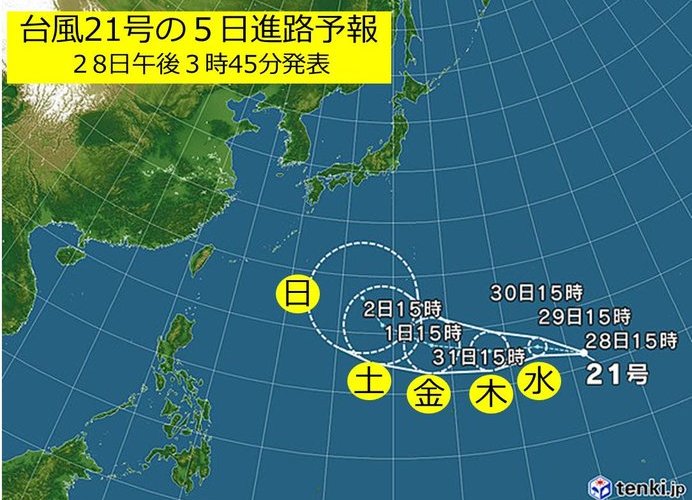
(Featured Image from tenki.jp) Info about Typhoon Jebi’s expected path.

Hurricane Lane has passed through Hawaii, and we got about 50 inches of rain here on the east side of the Big Island. To prepare for a hurricane in Hawaii, people will fill up their car(s) with gas, buy a lot of water, food, ice, batteries, etc., and tape and/or board up their windows.

What if you’re visiting Japan when a typhoon is going to hit where you are?

  1. Typhoon Season
    • Typhoon season typically starts in (late) June and end in November, but there is a significant increase in typhoons during August and September.
  2. General Information about Typhoons
    • In Japan, typhoons aren’t given names, they are numbered, but information in English will include a typhoon’s name.
    • Intensity (from least to greatest): tropical depression, tropical storm, severe tropical storm, typhoon (strong, very strong, violent)
  3. Weather Updates Sources
  4. Water, Food, and Other Necessities
    • A typhoon usually passes through an area within 12 hours, but it’s always good to buy water and food that won’t spoil.
    • If you need medication, toiletries, or other items, you should buy these beforehand.
  5. Utilities
    • Depending on where you are and how severe the weather is, utilities might go out. So, stay updated about the strength and path of a storm.
  6. Transportation
    • When the weather gets bad or is expected to get bad, flights will be canceled, and train service will be halted.
  7. Wind, Rain, Flooding, and High Seas
    • Stay indoors because of high winds and a lot of rain. Also, stay away from rivers, streams, canals because of flash floods/flooding, and also stay away from the coastline because of surges, which can be about 30 feet tall.
  8. Temperature
    • During summer, temperatures get a little cooler, but the day after a typhoon passes gets really hot.

If you are in Japan when a typhoon hits, please be careful and stay safe!

The Three Great Gardens of Japan: Kairakuen, Korakuen, Kenrokuen

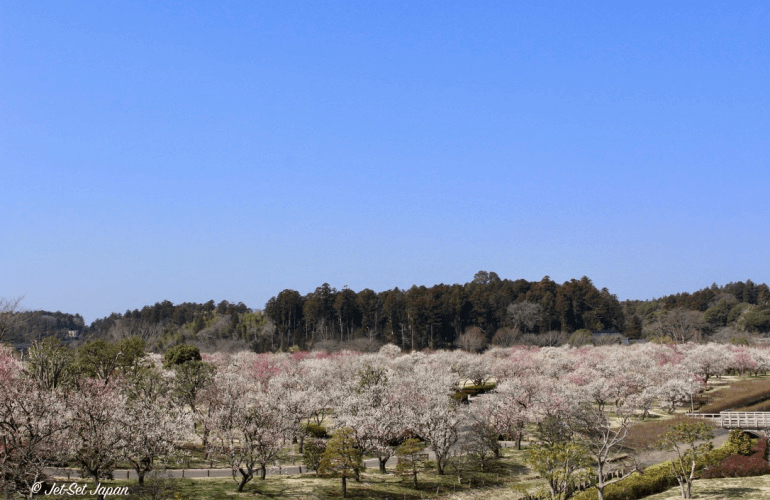
The most famous of all Japanese gardens are the Three Great Gardens of Japan (日本三名園, Nihonsanmei-en): Kairakuen (偕楽園), Korakuen (後楽園), and Kenrokuen (兼六園). In this post, we will show a couple of pictures we took at each garden and give some useful info.

Kairakuen (偕楽園)

This slideshow requires JavaScript.

Location: Mito City, Ibaraki Prefecture (Kanto Region)
Access: From Tokyo, Mito Station (and the temporary Kairakuen Station) can be reached by taking the Joban Line, which is run by JR and stops at Shinagawa Station, Tokyo Station, and Ueno Station. Limited express trains cost more, but will get there in about an hour, which is about half the time of ordinary trains.

  • From the North Entrance/Exit of Mito Station, take a bus from bus stop 4 (bus heading for Kairakuen; get off at Kobuntei Omotemon, Kairakuen Higashimon, or Kairakuen-mae) or 6 (bus heading for Kairakuen). Bus takes about 15-20 minutes.
  • During the plum blossom festival during spring, there is a temporary station called Kairakuen Station. So Kairakuen can be accessed by foot.

Price: Free. 200 Yen to enter the Kobuntei.
Must-see
: Plum Blossom Festival (Ume Matsuri) which is usually held from mid-February to late-March. Depending on the weather, best-viewing dates differ from year to year. We will write a post about this in the future.

Recommended trip plan: A day-trip from Tokyo. Leave in the morning so you can arrive mid-morning. Enjoy the garden for a few hours, and then return to Tokyo before dinner.

Korakuen (後楽園)

This slideshow requires JavaScript.

Location: Okayama City, Okayama Prefecture (Chugoku Region)
Access: From Tokyo Station by shinkansen, about 3 and a half hours. From Shin-Osaka Station by shinkansen, about 1 hour. From Hiroshima by shinkansen, about 45 minutes. Note that these times are calculated for those using a JR Pass, which restricts users from riding the fastest trains (Nozomi, Mizuho, etc.).

  • From the East Entrance/Exit of Okayama Station, take a bus from bus stop 1. Non-stop buses from this bus stop to Korakuen are available. Bus takes about 10 minutes.
  • From Okayama Station, take the city tram heading for Higashiyama, and get off at Shiroshita. About a 12 minute walk from Shiroshita.

Price: 400 Yen for just Korakuen. Combination ticket for Korakuen and Okayama Castle is 560 Yen. Combination ticket for Korakuen Okayama Prefectural Museum is 520 Yen. Combination ticket for Korakuen, Okayama Castle, and Hayashibara Museum of Art is 960 Yen.
Must-see
: As you can see from the panorama picture above, Korakuen has large lawns surrounding its ponds. This give the garden a much more spacious atmosphere. You can also by a combination ticket for both Korakuen and Okayama Castle. There are also combination tickets for Korakuen and Okayama Prefectural Museum, and Korakuen, Okayama Castle, and Hayashibara Museum of Art.

Important: There is an area in Tokyo called Korakuen, and this area has a baseball stadium, amusement park, and a Japanese garden called Koishikawa Korakuen. This is not the Korakuen we are talking about! The Korakuen we are talking about is located in Okayama Prefecture.

Recommended trip plan: A day-trip from Hiroshima. Leave Hiroshima in the morning so you can walk around the garden and/or castle mid-morning. Have some lunch around Okayama Station before heading back to Hiroshima or moving on to another area, perhaps Osaka.

Kenrokuen (兼六園)

This slideshow requires JavaScript.

Location: Kanazawa City, Ishikawa Prefecture (Chubu Region, Hokuriku Region)
Access: From Tokyo Station by shinkansen, about 3 hours to Kanazawa Station. Note that these times are calculated for those using a JR Pass, which restricts users from riding the fastest train on the Hokuriku Shinkansen (Kagayaki).

  • From the East Entrance/Exit of Kanazawa Station, take a Hokutetsu bus from bus stop 6 (Kenrokuen Shuttle) or 7 (Kanazawa Loop Bus) and get off at Kenrokuen-shita/Kanazawa Castle. Hokutestsu has a 1 day bus pass for 500 Yen.
  • JR also has buses running from the East Entrance/Exit of Kanazawa Station, so you can use your JR pass, but the Hokutetsu is more convenient because they have buses running more frequently.

Price: 310 Yen
Must-see
: If you go to Kanazawa before or after the large amount of snowfall, you can still see yukizuri that protect the trees from snow. Kanazawa Castle is also next to Kenrokuen. The Higashichaya District and the Oumicho Fish Market in the vicinity. You can walk to Higashichaya District from Kenrokuen, but it takes about 20 minutes on foot. There are taxi stands around the garden, so if you share a taxi with your friends, it’ll save a lot of time. We will write a post just about Kanazawa in the near future.

Recommended trip plan: A little far for just a day-trip, but it is possible if you leave early in the morning. However, we think you should stay at least one night Kanazawa because they have A LOT of great food.

This is our brief introduction of Japan’s three fantastic gardens. For all gardens, try to visit during Spring, Summer, or Fall, but don’t visit too early in Spring because you might miss all of the beautiful greenery, even though there are many nice structures and landscaping to look at during winter.
 

Fireworks Shows in Japan

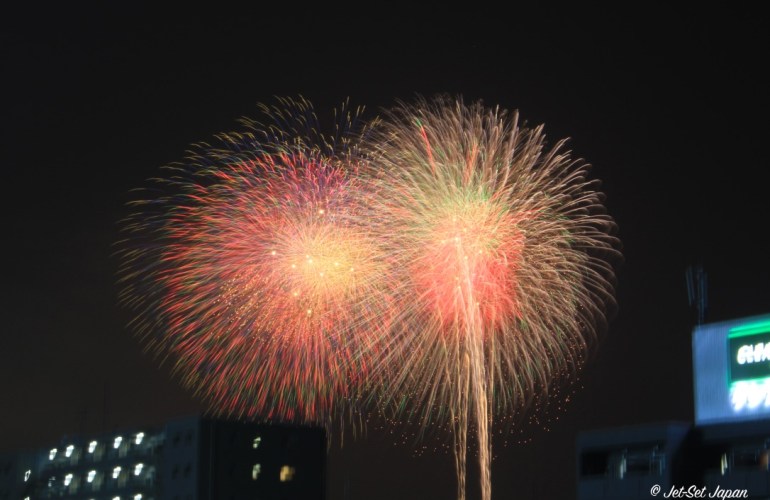
The rainy season in Japan usually ends around the first week of Japan, and this is also the start of weekly fireworks shows which are held all over the country. Summer in Japan is hot and humid, so why do thousands of people go out to watch fireworks in the summer heat? People get a chance to get out of the house to eat, drink, and talk with family and/or friends. Not to mention many people wear yukata (summer kimono). Some Japanese people say the sound of fireworks being shot high into the air and seeing the beautiful colors and patterns dazzle in the night sky help them forget about the heat.


This slideshow requires JavaScript.

If you are in Japan now or if you have already planned a trip to Tokyo for July or August, here are dates and times for some fireworks shows:

Saturday, July 28:

  • (7:00pm-8:30pm) Sumida River Fireworks Show – Best viewing is from riverside along the Sumida River in the Asakusa area. Last year, 950,000 people went to watch the show, so it will be extremely crowded. A few years ago, I watched the show, but arrived at the viewing area a little too late to get a place where we could sit and watch. If you want to sit and watch, I suggest you go there during the early afternoon to save a spot.
  • (7:20pm-8:20pm) Showa Kinen Park Fireworks Show in Tachikawa – Always held on the same day as the Sumida River Fireworks Show to spread out the number of people who watch. Last year, 260,000 people when to watch the show. I watched this show a few times, and it is a lot more relaxed because of the fewer amount of people. However, people from Hawaii might still be surprised at the large crowds. Tachikawa is located about 30 minutes west from Shinjuku on the Chuo Line.

Wednesday, August 1

  • (7:40pm-8:30pm) Koto Fireworks Show – Access to viewing areas from Minami-Sunamachi Station on the Tozai Line. Last year 300,000 people went to watch this show.

Saturday, August 4

  • (7:15pm-8:30pm) Edogawa-ku Fireworks Show – Edogawa-ku located next to Chiba Prefecture. Best access to viewing areas are from Shinozaki Station on the Toei Shinjuku Line. Last year 900,000 people watch the show from the Tokyo side. This show is popular because fireworks are synchronized with background music.
  • (7:00pm-8:30pm) Itabashi Fireworks Show – This show can be access from JR Ukimafunado Station, which is on the Saikyo Line, Takashimadaira Station/Nishidai Station/Hasune Station, which are on the Toei Mita Line.

Saturday, August 11

  • (7:10pm-8:30pm) Tokyo Fireworks Show~EDOMODE~ – Fireworks will be shot up from Tokyo Bay near the Odaiba Area. So there are many places to view this show. This is the first year to have this show, but I think this show is taking the place of the Tokyo Bay Grand Fireworks Show that was discontinued in 2015.

Important Note: Fireworks shows can be canceled/postponed due to high winds or rain. So, if you are planning to check out a show, check weather reports or webpages/SNS that provide information.

Some things to prepare if you go to a fireworks show:

  1. Food and drinks – I suggest buying the majority of your food and drinks before you arrive at your destination. Vendors will be selling food and drinks, if you want hot food or if you drink all of your drinks.
  2. Location of bathrooms – Plan out your day so you can go early to check out where bathrooms are located. Because most people are drinking alcohol and tons of water, lines for the bathroom will be long.
  3. Hit up a 100 yen shop – You can get cheap cooler bags, cups, napkins, and everything else you will need.
  4. Get a blue tarp/sheet – Unless you have to watch the show standing up, get you and your group a blue tarp/sheet to sit on.
  5. Make a plan for after the show – After the show ends, even a little bit before the show ends, thousands of people will try to catch the train at the same time. If you don’t mind staying a little later to avoid the traffic, go get a few extra drinks. If you don’t mind walking a little further to a less crowded station, research for stations you can walk to.

If you want some information regarding fireworks shows in different areas of Japan, feel free to contact us!

Sapporo & Otaru ー Gems of Northern Japan

If you’ve already been to Tokyo, Osaka, Kyoto, or other areas of Japan, or if you just love delicious food and nature, make Sapporo and Otaru next on your list of places to visit in Japan!

Sapporo is the largest city on Hokkaido, which is the northern island of Japan, and Otaru is located about 40 minutes away by train from Sapporo.

When people in Japan think of Hokkaido, the first things that come into mind are great food and beautiful nature. So, in this post, we’re going to briefly introduce some of the food and nature in Sapporo and Otaru.

Grindz (Food!)

This slideshow requires JavaScript.

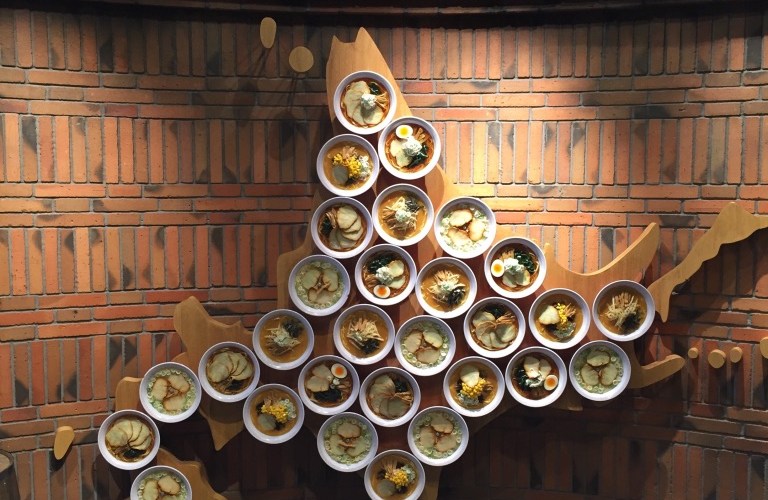
Hokkaido is kind of like the Big Island (of Hawaii) of Japan. It’s the largest island in Japan, and it’s known for fishing and large ranches/farms. Because of this, Sapporo is the place to get some of the best fish and meat (also dairy products) in all of Japan! From, fresh seafood, ramen, to desserts, Sapporo has it all. If you’re looking for ono (delicious) seafood, head over to Otaru! Otaru is a 40 minute train ride Sapporo, and you can enjoy looking at the ocean while leisurely making your way to Otaru.

Otaru
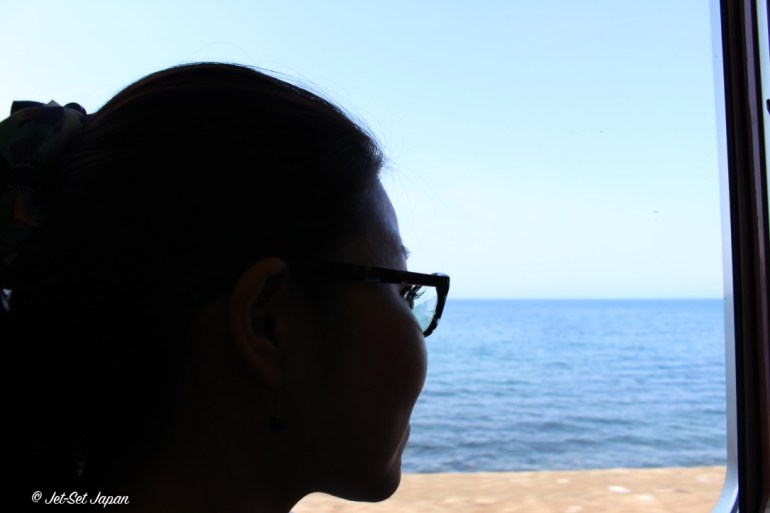
Yuki (Chad’s wife) looking out at the ocean while going to Otaru from Sapporo

Nature

This slideshow requires JavaScript.

Sapporo has flowers, greenery, autumn leaves, and snow, so you can go there any time of year and enjoy nature. The Sapporo Snow Festival is held in early- February in and around Odori Park, and the Sapporo Lilac Festival is held in mid/late-May also in Odori Park. If you want to travel during winter from Hawaii, you need to get winter clothes because it is COLD. If you are unlucky or lucky, depending how you look at it, you can experience a Hokkaido winter in a blizzard. Blizzards are windy, snowy, and cold, but it makes the ramen taste that much better!

Travel Plan Recommendations

  • If you are only going to stay in Sapporo and maybe check out Hakodate, which is about 3 and a half hours away from Sapporo by train, 5-7 days will work. This is if you want to have a relaxing trip.
  • If you are active and want to go to Sapporo and travel to different areas of Hokkaido, at least 7 days would be necessary because Hokkaido is a lot larger than you think (about 32,000 square miles, which is about 8 times larger than the Big Island of Hawaii).
  • If you want to fly into New Chitose Airport, which is about 40 minutes from Sapporo, spend some time in Sapporo before going to another part of Japan, you would need at least 7 days of traveling to fully enjoy your trip. If you do this, there are many options on how to plan your trip depending on where you want to go after Sapporo. If you want to finish your trip off in Tokyo, you could go from Sapporo directly to Tokyo by airplane; another option is to stop off at Sendai by shinkansen to stay a night or two, and then go to Tokyo. If you want to go to Sapporo and then Osaka, you would need to take a flight from New Chitose to Osaka (Kansai Airport or Itami Airport).

All in all, Sapporo and Otaru are great places to visit to each food and go out into nature!

Autumn/Fall ー A Great Season to Travel Japan

This time of year is a good period to start planning for a trip to Japan during Autumn/Fall. What’s good about Japan during the Fall season? We’ll talk about two things which make Fall a great season to go to Japan: 1. Fall leaves, 2. Food, 3. Climate

1. Fall Leaves/Foliage

This slideshow requires JavaScript.

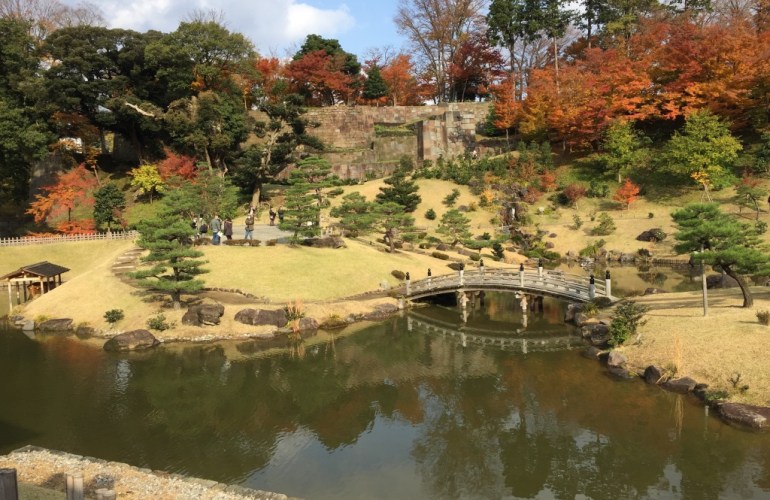
When the leaves start changing colors to bright yellow, red, and orange, it’s also a really comfortable time to visit Japan. The humid summer heat is gone, but the cold of winter has yet to set in.

The best time frames to check out fall leaves are:

  • Hokkaido: Because Hokkaido is large, in northern areas of Hokkaido, leaves will be changing color in late-September, and in southern areas of Hokkaido, leaves will be changing color in mid-October.
  • Tohoku (Aomori, Akita, Iwate, Yamagata, Miyagi, Fukushima): Early-October (from Aomori) to late-November (in Fukushima).
  • Kanto (Ibaraki, Tochigi, Gunma, Saitama, Chiba, Tokyo, Kanagawa): Late-September (from the mountains of Gunma) to early-December (in Kanagawa)
  • Chubu (Niigata, Toyama, Ishikawa, Fukui, Yamanashi, Nagano, Gifu, Shizuoka, Aichi): Late-September (from Kurobe Dam area in Toyama) to early-December (in Aichi)
  • Kansai/Kinki (Shiga, Mie, Kyoto, Nara, Osaka, Wakayama, Hyogo): Early-October (from Shiga) to early-December (in Hyogo)
  • Chugoku (Tottori, Okayama, Shimane, Hiroshima, Yamaguchi): Late-October (from Tottori) to early-December (in Yamaguchi)
  • Shikoku (Kagawa, Tokushima, Ehime, Kochi): Late-October (from the mountains in Tokushima) to early-December (Ehime)
  • Kyushu (Fukuoka, Oita, Miyazaki, Saga, Kumamoto, Nagasaki, Kagoshima): Late-October (from the mountains in Fukuoka) to early-December (in Kagoshima)
  • Okinawa: Leaves change colors on certain trees, but because of the climate, it is different from the rest of Japan.

Because about 70% of Japan is mountains, certain areas in a prefecture will start turning colors compared to areas in lower elevations.

2. Food

Many people say that a lot of the best foods are available during Fall because farmers harvest them before Winter comes. Here’s a short list of what is in season during Fall:

  • Rice
  • Sanma (Pacific saury; we don’t know what this is in English, but we know sanma)
  • Unagi (freshwater eel)
  • Salmon
  • Eggplant
  • Mastsutake Mushrooms
  • Yaki-imo (Sweet potato)
  • Chestnuts

3. Climate

During Fall, coming from Hawaii, we recommend:

  • During the day: long pants, t-shirt, jacket/sweater
  • At night: long pants, long-sleeve shirt, jacket/sweater

If you go around late-November to early-December, you should where a long-sleeve shirt during the day also. If you are sensitive to cold, you can always go to UNIQLO and buy some cheap clothes to keep you warm.

With all of the walking, sightseeing, shopping, eating you will do while traveling in Japan, Fall provides cool, dry weather to enjoy Japan to your heart’s content!