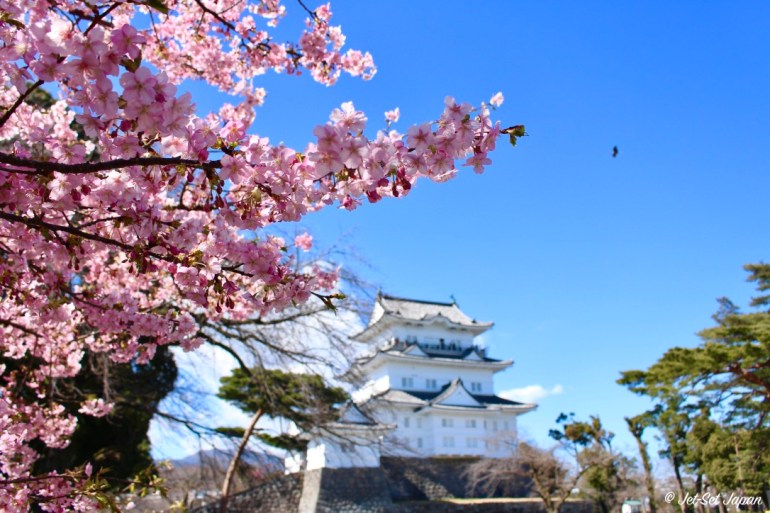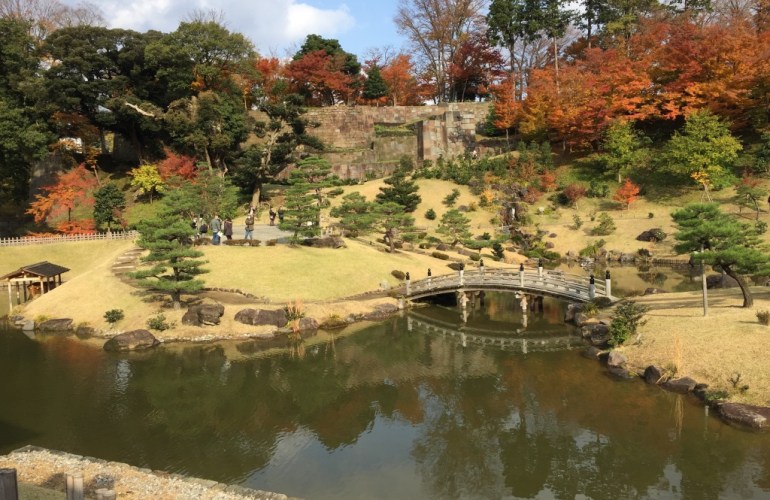
Autumn/Fall ー A Great Season to Travel Japan

This time of year is a good period to start planning for a trip to Japan during Autumn/Fall. What’s good about Japan during the Fall season? We’ll talk about two things which make Fall a great season to go to Japan: 1. Fall leaves, 2. Food, 3. Climate

1. Fall Leaves/Foliage

This slideshow requires JavaScript.

When the leaves start changing colors to bright yellow, red, and orange, it’s also a really comfortable time to visit Japan. The humid summer heat is gone, but the cold of winter has yet to set in.

The best time frames to check out fall leaves are:

  • Hokkaido: Because Hokkaido is large, in northern areas of Hokkaido, leaves will be changing color in late-September, and in southern areas of Hokkaido, leaves will be changing color in mid-October.
  • Tohoku (Aomori, Akita, Iwate, Yamagata, Miyagi, Fukushima): Early-October (from Aomori) to late-November (in Fukushima).
  • Kanto (Ibaraki, Tochigi, Gunma, Saitama, Chiba, Tokyo, Kanagawa): Late-September (from the mountains of Gunma) to early-December (in Kanagawa)
  • Chubu (Niigata, Toyama, Ishikawa, Fukui, Yamanashi, Nagano, Gifu, Shizuoka, Aichi): Late-September (from Kurobe Dam area in Toyama) to early-December (in Aichi)
  • Kansai/Kinki (Shiga, Mie, Kyoto, Nara, Osaka, Wakayama, Hyogo): Early-October (from Shiga) to early-December (in Hyogo)
  • Chugoku (Tottori, Okayama, Shimane, Hiroshima, Yamaguchi): Late-October (from Tottori) to early-December (in Yamaguchi)
  • Shikoku (Kagawa, Tokushima, Ehime, Kochi): Late-October (from the mountains in Tokushima) to early-December (Ehime)
  • Kyushu (Fukuoka, Oita, Miyazaki, Saga, Kumamoto, Nagasaki, Kagoshima): Late-October (from the mountains in Fukuoka) to early-December (in Kagoshima)
  • Okinawa: Leaves change colors on certain trees, but because of the climate, it is different from the rest of Japan.

Because about 70% of Japan is mountains, certain areas in a prefecture will start turning colors compared to areas in lower elevations.

2. Food

Many people say that a lot of the best foods are available during Fall because farmers harvest them before Winter comes. Here’s a short list of what is in season during Fall:

  • Rice
  • Sanma (Pacific saury; we don’t know what this is in English, but we know sanma)
  • Unagi (freshwater eel)
  • Salmon
  • Eggplant
  • Mastsutake Mushrooms
  • Yaki-imo (Sweet potato)
  • Chestnuts

3. Climate

During Fall, coming from Hawaii, we recommend:

  • During the day: long pants, t-shirt, jacket/sweater
  • At night: long pants, long-sleeve shirt, jacket/sweater

If you go around late-November to early-December, you should where a long-sleeve shirt during the day also. If you are sensitive to cold, you can always go to UNIQLO and buy some cheap clothes to keep you warm.

With all of the walking, sightseeing, shopping, eating you will do while traveling in Japan, Fall provides cool, dry weather to enjoy Japan to your heart’s content!

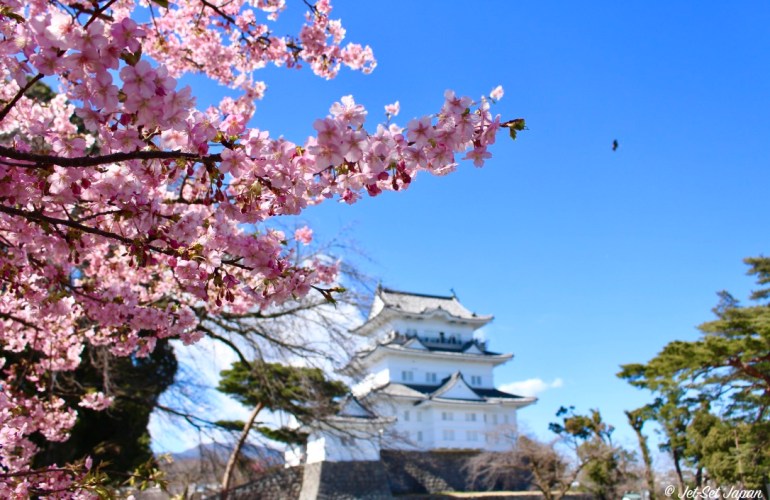
Parks, Rivers/Ocean, & Mountains ー Nature in Japan

Featured Image: Na no Hana (Rape Blossoms) in Hararikyu Gardens.

Because Japan is an island nation, it’s possible for visitors to check out parks in the city, head to the mountains, and relax riverside or beachside in one trip. In this post, we will show pictures of parks, bodies of water, and mountains from all over Japan.

Parks

This slideshow requires JavaScript.

Japan has immaculate Japanese gardens and parks. Depending on the time of year you visit, it’s possible to see various types of flowers and other plants, except during winter when everything is in hibernation mode.

Rivers/Ocean

This slideshow requires JavaScript.

Because the majority of Japan’s land is mountainous, there are a lot of rivers throughout the country. A lot of these rivers provide for great views during sunset and even a place for people to picnic. Regarding beaches, coming from Hawaii, most of us are spoiled with beautiful beaches (except maybe Hilo, where we’re from), but the sunrises and sunsets along the coastlines of Japan are absolutely picturesque.

Mountains

This slideshow requires JavaScript.

In the mountain areas of Japan, visitors can find shrines, temples, onsen (hot springs). For those who are adventurous , there are shrines where you can go hiking into the mountains to another shrine which is located deeper in the mountains. And some shrines will let you stay there if you make reservations.

This post is just an introduction to the great nature spots in Japan. Look out for future posts about nature in Japan!

Featured

Why Japan Is THE Travel Destination from Hawaii


1. Reasonable Overall Cost

The first thing you would have to do is buy your ticket to Japan. It goes without saying that ticket prices vary depending on which season you want to visit Japan. For example, if you want to enjoy the sakura or autumn foliage, these are the most expensive seasons to visit Japan, so you will have to pay a premium. In recent years, the average price for tickets to Japan for one person is about $1000 roundtrip.

The next thing you need to take into consideration is the currency exchange rate. Luckily, the Japanese Yen has been weaker than the U.S. dollar. If you have already planned a trip to Japan and haven’t exchanged dollars to yen, keep an eye out on the exchange rate!

Topics related to cost of transportation, food and drink, and shopping will be briefly explained below.

2. Best Public Transportation System in the World

Can you believe that train companies apologize for being 1 minute late?! That is how punctual the train system is in Japan. Not to mention busses connect areas which do not have trains, and these busses run close to their scheduled times even in traffic.

For locals in Japan, costs on public transportation is a little expensive compared to other countries in Asia, but as a visitor to Japan, you can purchase a JR Rail Pass which gives you access to almost all Shinkansen (Bullet Trains) and all local JR Lines. Using the JR Rail Pass and other available rail passes will be explained in detail in a future blog post.

3. Awesome Food and Drink

In Hawaii, our food portions are ridiculously big compared to the portions in Japan, BUT the quality of the food Japan is hard to beat. Also, you can eat quality food at a reasonable price if you look in the right places.

Fruits, vegetables, fish, meat, desserts, Japan has it all for you foodies! If you like to drink wine, whiskey, beer, Japanese sake, Japan has great choices for alcoholic beverages.

4. Fusion of Traditional Culture and Modern Culture

From temples, shrines, and castles to skyscrapers and crazy fashion trends, Japan is a mixture of traditional culture and modern culture.

5. Shopping

For those who like high-end brands, there are areas in Japan, such as Ginza in Tokyo, which have streets lined with these stores. If you are on a tight budget but want to get a bunch of omiyage for your family, friends, and colleagues, you can head over to Daiso to buy things priced at only 100 yen!

6. Nature

Japan is surrounded by the ocean, just like Hawaii, and mountains cover about 70% of the land; so, depending on the season you visit Japan, you can have different experiences outdoors.

In future blog posts, we will explain in detail various aspects of traveling in Japan. Stay tuned for more pictures and blog posts in the future! We’re still developing our content, but also check out our FacebookTwitter, and Instagram.

Mahalo!!!