Featured

(Sapporo Trip – Part 4) Mt. Moiwa

EHNSz2RmRYisgCIimjL9Fw_thumb_34f1

Part 4 of Brandon’s Sapporo trip is Mt. Moiwa, which is one of the best spots for viewing Sapporo’s city lights.

Mt. Moiwa is located about 45 minutes from Susukino. This is how to get there:


This slideshow requires JavaScript.

From the 4 pictures in the slideshow above:

  • DO NOT GO THIS WAY Picture: When searching on Google Maps on how to get to the Mt. Moiwa Ropeway from Susukino, it will tell you to take the Sapporo Shiden street car and get off at Denshajigyosho-mae Station. If you take this route, you will have to walk up steep stairs and then pass a temple with a cemetary, which is not very scenic.
  • The BETTER Way: Take the Sapporo Shiden street car to Ropeway Iriguchi Station. There is a free shuttle bus from the Station to the Mt. Moiwa Ropeway (5 minute ride) that departs about every 20 minutes, which is recommended if you or your somebody in your party has difficulty walking.
  • From Ropeway Iriguchi Station: It is a 5-minute walk uphill.
  • Ropeway & Minicar Tickets: First the ropeway will take you most of the way up the mountain, and then you will transfer to a minicar that will take you to the summit. It’s 1700 Yen for a roundtrip ticket for both the ropeway and minicar.

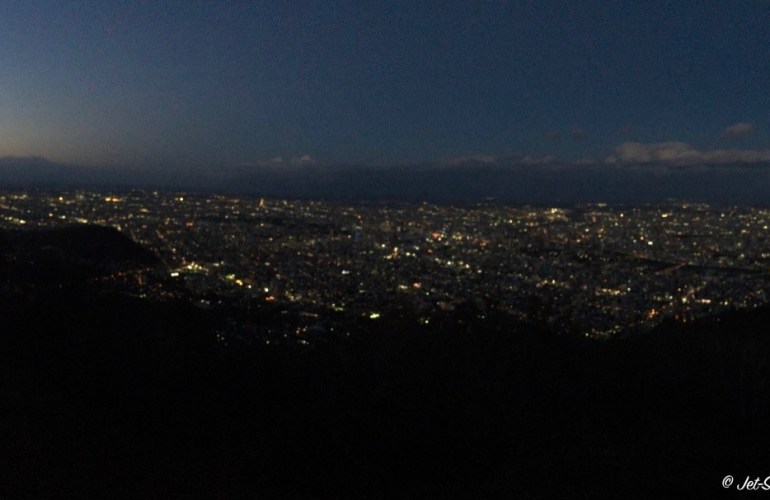
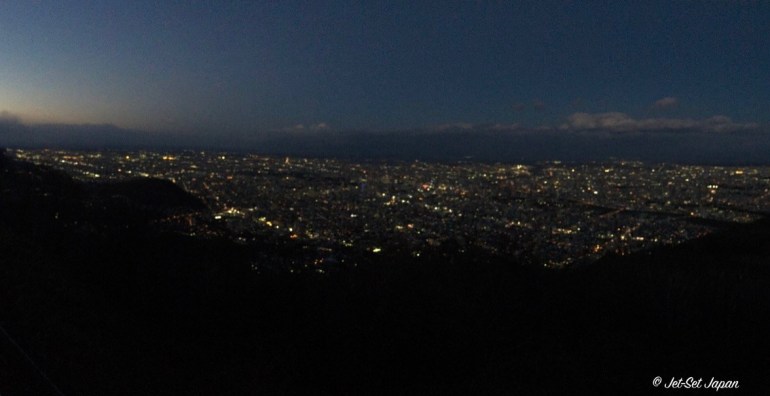
Here’s the view when you get there:


This slideshow requires JavaScript.

Some tips when going to the top of Mt. Moiwa:

  • There is an omiyage (souvenir shop), vending machines with hot and cold drinks, and a restaurant, but we recommend bringing your own snacks, o-bentos (lunch boxes), and drinks.
  • If you are visiting during cooler/colder weather, pack some warm clothes buy hokkairo (hand warmers) that can be bought in convenience stores or pharmacies.
  • The summit can get quite windy, so make sure your things don’t get blown away.
  • Be flexible with your planning because it might be cloudy on one day but sunny on another day.

Last part is:

Part 5 – COSTCO
What to Do When You’re in Japan During a Typhoon

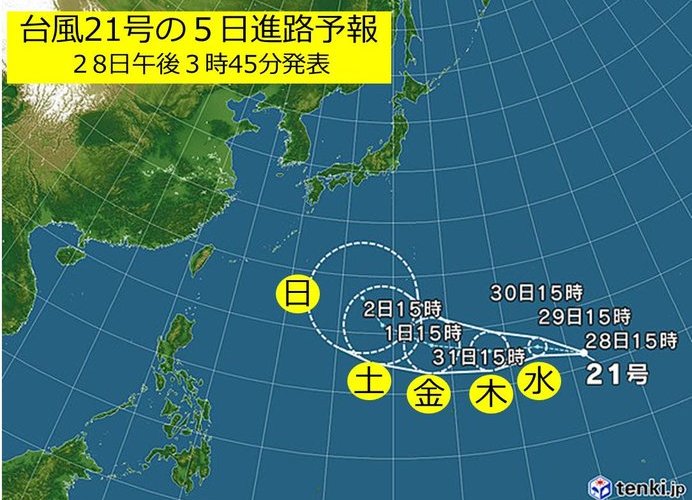
(Featured Image from tenki.jp) Info about Typhoon Jebi’s expected path.

Hurricane Lane has passed through Hawaii, and we got about 50 inches of rain here on the east side of the Big Island. To prepare for a hurricane in Hawaii, people will fill up their car(s) with gas, buy a lot of water, food, ice, batteries, etc., and tape and/or board up their windows.

What if you’re visiting Japan when a typhoon is going to hit where you are?

  1. Typhoon Season
    • Typhoon season typically starts in (late) June and end in November, but there is a significant increase in typhoons during August and September.
  2. General Information about Typhoons
    • In Japan, typhoons aren’t given names, they are numbered, but information in English will include a typhoon’s name.
    • Intensity (from least to greatest): tropical depression, tropical storm, severe tropical storm, typhoon (strong, very strong, violent)
  3. Weather Updates Sources
  4. Water, Food, and Other Necessities
    • A typhoon usually passes through an area within 12 hours, but it’s always good to buy water and food that won’t spoil.
    • If you need medication, toiletries, or other items, you should buy these beforehand.
  5. Utilities
    • Depending on where you are and how severe the weather is, utilities might go out. So, stay updated about the strength and path of a storm.
  6. Transportation
    • When the weather gets bad or is expected to get bad, flights will be canceled, and train service will be halted.
  7. Wind, Rain, Flooding, and High Seas
    • Stay indoors because of high winds and a lot of rain. Also, stay away from rivers, streams, canals because of flash floods/flooding, and also stay away from the coastline because of surges, which can be about 30 feet tall.
  8. Temperature
    • During summer, temperatures get a little cooler, but the day after a typhoon passes gets really hot.

If you are in Japan when a typhoon hits, please be careful and stay safe!