Blog

Shopping in Japan

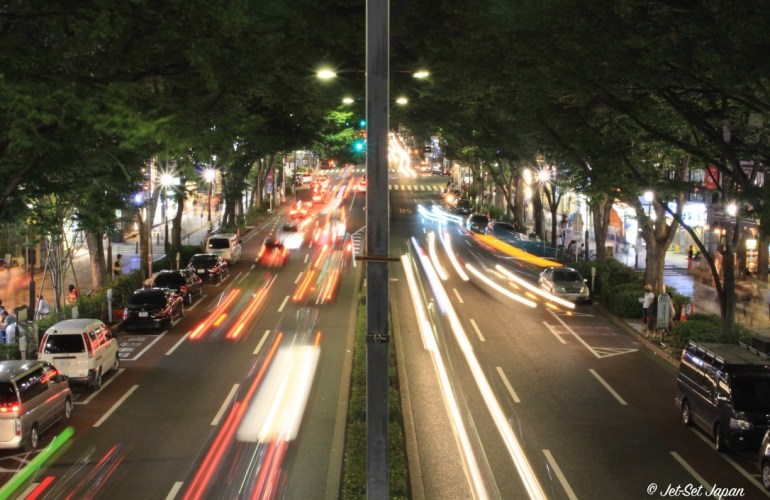
Feature Image: The keyaki namiki (zelkova tree-lined street) which runs from Harajuku to Omotesando.

This slideshow requires JavaScript.

Every major city in Japan will have at least one major shopping district. In Tokyo, there’s Shinjuku, Shibuya, Roppongi, and Ginza to name just a few places. In Osaka, there’s Umeda, Dotonbori, Namba. In this post, we will introduce a few areas and stores to shop at.

Department Stores

Marui, Takashimaya, Mitsukoshi-Isetan are just a few department store groups which are nationwide. A variety of high-end stores can be found within department stores. Other reasonable stores, such as UNIQLO and MUJI, can also be found in department stores. The good thing about department stores is that everything is inside, so if it’s hot, cold, or raining, you don’t have to worry about the weather outside; also, there are usually a lot of restaurants on the top floors, so you can take a break from shopping a get some food or coffee.

Electronics

Japan has a reputation for their high-quality electronics: Sony, Panasonic, Nikon, Canon, Nintendo, and many more. If you’re a gamer, into anime or manga, Japanese idols, or looking for any kind of electronics, Akihabara is the place to go. Even if you aren’t looking to buy electronics, it’s cool to go and just walk around Akihabara for a few hours.

Bargain/Reasonable Shopping

Daiso is the place to go to buy all kinds of things for 100 Yen. Some Daiso stores have multiple floors or are huge, so be careful not to rack up a big bill at checkout!

Seria is another place to go to for a bargain on “miscellaneous goods” (zakka in Japanese). Miscellaneous goods would be clocks, pen holders, and other things you would put around your house.

If you need to get clothes because you forgot something or didn’t prepare for the weather, head over to UNIQLO where there prices are reasonable. If you’re more into H&M, there are H&M stores all over Japan.

Snacks


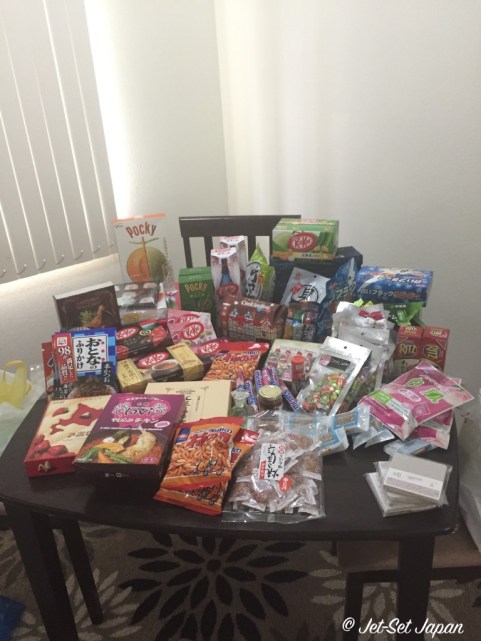
Japan has a lot of great snacks! Make sure you bring a extra suitcase just for snacks also!!!
Shopping

Introduction to Traditional Japan

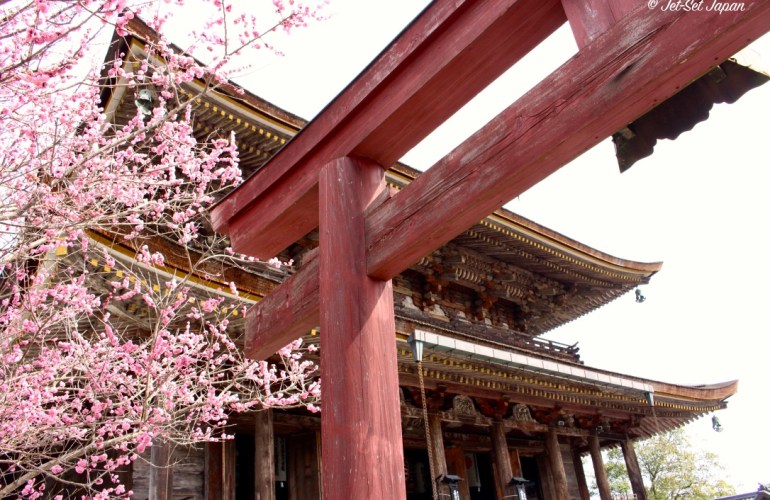
Featured picture is of Kinpusenji Temple in late March with ume (plum) blossoms.

In this post, we will introduce 3 things about traditional Japanese Culture: castles, temples, shrines.

Castles

This slideshow requires JavaScript.

Throughout Japan’s history, there was a long period where the country was feudalistic. Daimyo (feudal lords) ruled not only their land and people, but they also controlled their own armies. These powerful feudal lords built castles to protect their territory. In the pictures above, there are pictures of the castle keep and various areas of the main castle grounds, but in history, the castle referred to the surrounding area (castle town). When visiting a castle, the interior is usually a small museum where you can find historical facts about its history. If you want to see nice views of the surrounding city, you can go all the way to the top of the castle keep. Just be careful of strong winds!

Temples

This slideshow requires JavaScript.

A lot of people confuse temples and shrines, but here is the easiest way to differentiate the two: shrines have torii gates (check pictures below); temples don’t have torii gates. However, there might be a shrine on the temple grounds. In one of the pictures above, you can see a small, orange torii gate on the left of the main hall of Kinpusenji Temple. The other picture is of Zojoji Temple, which is near Tokyo Tower.

Shrines

This slideshow requires JavaScript.

Now that we know structural difference between a shrine and a temple, let’s take a look at the religious difference. Temples = Buddhism; Shrines = ShintoShinto has many gods/deities, and different gods/deities are enshrined at different shrines. The most divine shrine in all of Japan is Ise Grand Shrine. Amaterasu, the God of the Sun, is enshrined there. Another extremely important shrine is Izumo Shrine. This shrine was dedicated to Ookuninonushi (Grand Master of the Land), who is the god of building the land, amongst other things. In this aspect, Shinto is similar to Hawaiian mythology because Hawaiian mythology has many gods who have different powers, authority, and personalities: Amaterasu is like Pele.

When visiting castles, temples, and shrines, visitors should always mind their manners, but it is hard to do so if you don’t know what to do. We’ll write blog posts in the future about manners at certain places.

We’ll also write posts about other topics!

Mahalo for visiting today!

Introduction to Modern Japan

Happy Aloha Friday!!!

When people go on tours or it’s their first trip to Japan, many visitors tend to go to temples, shrines, castles, and other points of interest related to traditional Japanese culture. This is not a bad thing; we think that visiting traditional places will give visitors a deeper understanding of Japan. However, Japanese culture has so much more to offer. So, instead of writing about traditional Japan, which will be covered in a future post, we’re going to introduce a little bit about modern Japan: art and architecture for this post.

Modern Architecture

This slideshow requires JavaScript.

A lot of the buildings and structures in Japan can be appreciated as art. Major train stations, such as Tokyo Station, Kyoto Station, Kanazawa Station (in the slideshow above), and many more, are not just transportation hubs. If you are not in a rush and have time to take a walk outside or even look around inside, you’ll discover aesthetic beauty.

Art

Every year in Roppongi, an all-night art festival, called Roppongi Art Night, is held. People can walk around and check out exhibitions and performances for free. There are also many vendors selling food and drinks (including alcohol), so you can party all night! This year’s Roppongi Art Night was held on May 26-27.

Many parks around Japan have little towers and other structures that look pretty cool. The picture on the right was taken in Shiokaze Park, which is located near Odaiba, and the tower is called Sunset Tower (夕日の塔).

Towers

This slideshow requires JavaScript.

Japan has a lot of towers; Tokyo Tower, Tokyo Sky Tree, and the Sapporo TV Tower are in the slideshow above, but there are also towers in Kyoto, Nagoya, Fukuoka, etc. Towers are cool to look at from its base, but if you want to go to the observation deck and check out the view, you have to wait in line and pay an entrance fee. So, if you are on a tight schedule, you might need to skip visiting the observation deck.

Other examples of modern Japanese culture would be anime, manga, electronics, fashion. In the future, we will cover a few of these topics!

Kanpai!!! Drinking Culture in Japan

It’s Chad again!

Kanpai is usually translated as “cheers” or “bottoms up” but literally means “dry glass”. Every culture has its own drinking culture, so in this post, we are going introduce a few aspects of the drinking culture in Japan.

Pau Hana Drinks

Japanese society is not only infamous for its work-work-work culture, but also its drink-a-ton-of-alcohol-after-work culture. When I was working in Tokyo, I used to work 12-hour days, drink until the early morning hours, take a short nap, and then do it all over again. The picture on the left is of a drinking area (street) called Omoide-yokocho (思い出横丁, Memory Lane), and I used to come here for my second or third round of drinks with colleagues. There are yokochos all over Japan, and these streets are full of bars and restaurants to drink at. The picture on the right is of a standing wine bar, which serves beer, cocktails, and pupus. Standing bars are good when you want to have a few drinks before going to your next place.

Beer Tasting & Pupus

Japanese people love their beer! You can go to beer museums for short tours and beer tasting after the tours, like Brandon did (picture on the left). The merit of going to a beer museum is that you can try beers which aren’t sold in stores, and the price to sample is reasonable! However, unlike the Sapporo Beer Museum (picture on the left) where you can get three beers at once, other beer museums require you to finish one drink before you order your next one.

The picture on the right is of pan-fried gyoza with beer (of course!). Japanese food/drinking culture is similar to Hawaii because people in Japan like to pupu while having a cold beer, or whatever drink they like. This picture was taken by Brandon at a festival in Sapporo. For those who don’t know, festivals in Japan have many vendors which sell drinks and food. The best thing to do at festivals when you want food or a drink is to take a quick lap around the area, and then decide where to buy your food (not all at once though!).

Drinking in Public


Drinking in public is not illegal, unless certain areas (usually parks) have signs which prohibit drinking alcohol or you are belligerent and making trouble. During the summer, people like to drink at the beach (picture on the left), and during spring, people love drinking under the sakura (picture on the right).

Japanese Grindz! What You Should Eat for Your First Trip to Japan

This is Chad! Here is a short post about three things, out of the many great food, you should eat if it’s your first trip to Japan.

Ramen

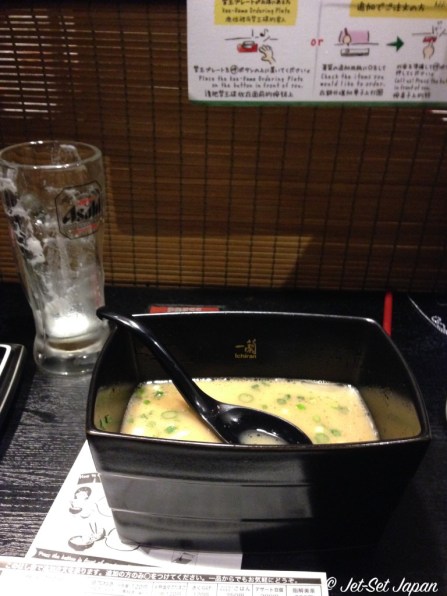
Empty beer and Ramen
otm7jRMSQn68pg74kbWmug_thumb_3068
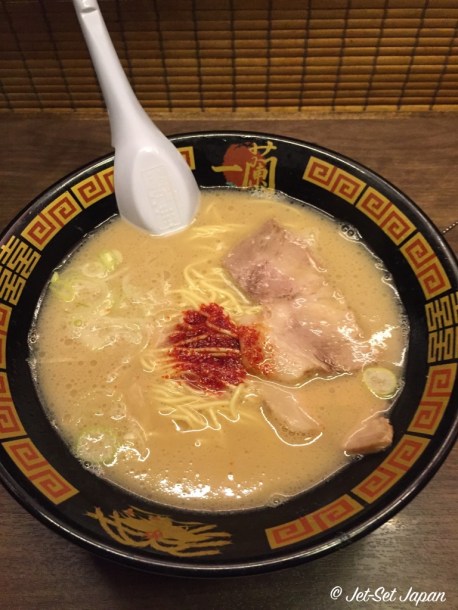
Hot Ramen!

Most people have eaten saimin or Cup Noodle here in Hawaii, but how many people have tried authentic Japanese ramen? We grew up on eating saimin and Cup Noodle, even now! With our love of noodles, coincidentally, our first meal in Japan was ramen. Chad’s first ramen was shoyu ramen with gyoza and fried rice (sorry no picture! we didn’t have smartphones back then…), and Brandon’s first ramen was Ichiran (一蘭, いちらん). Ichiran is from Fukuoka and they specialize in tonkotsu ramen, which is a pork-based broth (to explain really briefly). Brandon’s first bowl of tonkotsu ramen (picture on the top) is in a special square-shaped bowl. The picture on the bottom, also from Brandon, is also Ichiran ramen, but it was in Tokyo. Ramen is always good for your first meal in Japan or after a night out on the town!

Sushi

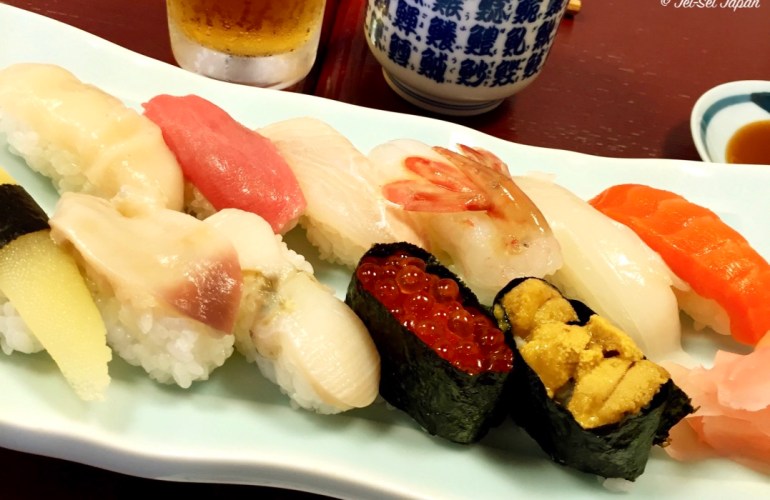
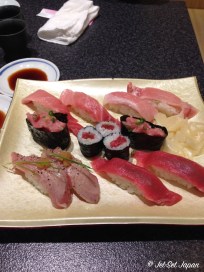
Of course your are going to eat sushi in Japan!!! Japan is the place to go to have fresh, quality sushi. For those who don’t like sashimi, you can have it aburi (broiled)-style, and this gives the fish a different texture and taste, so give it a try!

Also, sushi is a lot more than just your regular maguro (ahi) nigiri sushi. Salmon, scallops, ikatakoikurauni (yes, it’s good when it’s fresh!), unagianago, and many, many other types to enjoy!

Yakiniku

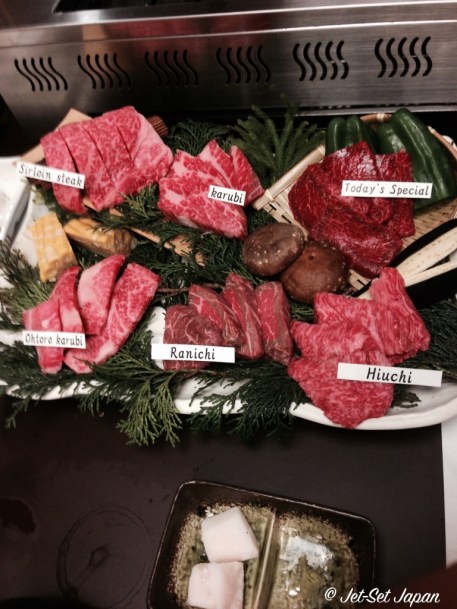
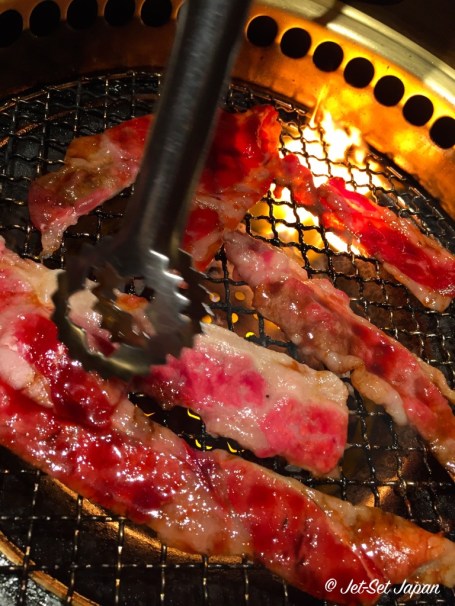
Hibachi is a favorite pastime of Hawaii, and Japan is no different because this hibachi culture came from Japan! Japan takes it step further with high quality meat and all-you-can-drink options. The better the quality of meat, the higher the price will be, but if you know where to look for, you can find reasonable prices for broke-da-mouth meat!

In future posts, we will explain more about different experiences of devouring Japanese food!